

Your electricity use can stay the same while your bill climbs. *Central Hudson’s 600-kWh annual-average total-bill example rose from $118.06 in 2021 to $168.53 in 2025: 42.7%, or $50.47 more a month. This includes supply, delivery and surcharges; individual bills vary. Historical bills.
The Highlands Current covered the July increase and Rep. Josh Riley’s challenge; the PSC and utility defended the process and infrastructure needs. DPS lists no new major rate case pending as of October 5, 2026.
What could your roof change? Solar can reduce the electricity you buy. Start with your address, then compare your home’s production, installed price and remaining utility costs with our team.
PV Design Engineer Sally Murphy on what going solar actually changes for the families she works with. And why she values staying connected long after the install is done.
THE KASSELMAN LEGACY. SINCE 1948. Kasselman Electric was founded in 1948; Kasselman Solar was founded in 2014. (11) (14)
NYSERDA Platinum Quality Solar Installer. Enphase Platinum Installer. Our dedicated in-house service team supports systems after installation, with scope confirmed for your equipment and project. (12) (15) (14)
Kasselman Solar is committed to providing quality customer service and we believe that your solar panel installation should be worry free. That is why we provide innovative solar energy technology installed by highly trained professionals. Energy efficiency often requires making major lifestyle changes but going solar shouldn’t interfere with your daily routine. That’s the Kasselman Solar guarantee.
To ensure continued satisfaction after installation, we provide customers with the most popular and advanced monitoring systems from SolarEdge and Enphase. These cutting-edge solar monitoring systems can provide alerts directly to the customer once fully set up, ensuring you're able to identify any issues that may occur and reach out to our service team as soon as possible.
Know which incentives belong in your price. We review current program rules, qualifying equipment and available funding, and show eligible incentives separately in your proposal.
Your proposal identifies the equipment warranties and workmanship coverage that apply to your system. Our in-house service team supports you after installation, with service scope confirmed for your equipment.
Instead of having us talk about ourselves, why don’t we see what our clients have to say.



An approved rate plan does not fix your whole bill. Fuel, weather and demand change supply costs; future rate cases can change delivery charges. Prices can fall as well as rise.
Hudson Valley wholesale energy rose about 70% in 2025. Zone G day-ahead prices averaged $68.96/MWh versus $40.68 in 2024. The zone differs from Central Hudson’s territory; this is a historical wholesale comparison, not a household bill forecast. Market monitor, Figure A-2.
Trade policy is another variable. Cornell modeled higher New York costs under hypothetical Canadian-electricity tariffs. Electricity has avoided the tariffs discussed in the report; this is a scenario, not a new bill charge. Cornell, October 1, 2026.
Your roof can produce electricity you would otherwise buy. Roof conditions, shade and energy use determine what solar could change for you.
Start with your address for an online estimate. Our team can then help you compare production, installed price and remaining utility costs. Want backup too? Tell us what you need running.
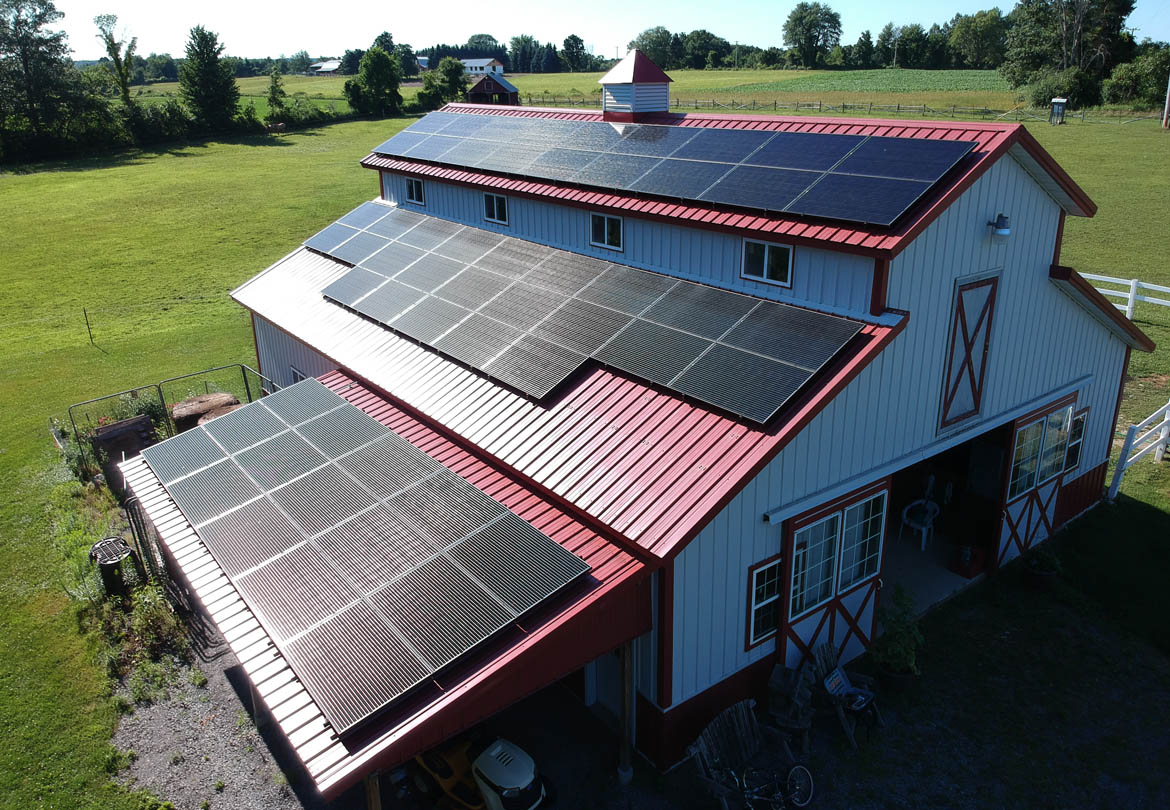
Make your own power. Back up what matters. Solar reduces how much electricity you buy. Add compatible battery storage and backup controls to keep selected loads running during an outage. We design around your roof, electricity use and the things you want to keep on.
Your home comes first. We use Aurora to design around your roof, shade and electricity use. Planning an EV or electric heating? Include that in the conversation. We’ll show the proposed system, expected production, installed price and utility costs that remain.
Already have solar? We start with your existing inverter and electrical layout before recommending a battery. Talk to Us About Battery Backup.
Up to $11,250 in upfront NY battery incentives for qualifying homes. The Inclusive Storage Incentive pays $450 per approved usable AC kWh, up to 25 eligible kWh in an approved design. A qualifying disadvantaged-community address is one eligibility route; other routes use income or affordable-housing criteria. Project, equipment, funding and utility-program requirements apply. The incentive reduces your project cost in the agreement; an inquiry does not reserve funds. Check NYSERDA’s live funding dashboard. NYSERDA program requirements.
The $11,250 maximum requires an otherwise eligible approved design with exactly 25 accepted usable AC kWh. The installed system must meet the program’s size rules; adding more batteries does not automatically qualify a larger system for a capped award. A designated disadvantaged-community address has a geographic eligibility route without an additional household-income test, but the project must still qualify. NYSERDA homeowner eligibility · NYSERDA Inclusive Storage Incentive eligibility.
Eligible solar installed and used at your principal residence in New York may receive the state’s 25% nonrefundable credit up to $5,000. Storage programs depend on qualifying equipment, project rules and available funding. Confirm the eligible amounts before treating them as part of the project price. (8) (9)
The federal homeowner residential clean-energy credit is unavailable for property placed in service after December 31, 2025. (10)
Solar tax benefits and storage incentives are separate. Unused eligible New York solar credit may carry forward up to five years; it is not upfront cash or an automatic battery-only benefit. We identify eligible costs and grants separately in your proposal. New York solar-credit instructions.
It compares Central Hudson’s annual-average 600-kWh monthly bill examples: $118.06 in 2021 and $168.53 in 2025. The same-use illustration includes supply, delivery and surcharges. Separately, another $6.01 monthly step is approved for July 2027 in a 630-kWh example.
Central Hudson: 600-kWh annual-average bill history PSC: Central Hudson approved bill examples New York State Register: adopted rate-plan periods
Solar can reduce the electricity your home purchases. Its value depends on roof production, when you use energy, your tariff and the project price. We compare those numbers using your bills and show the charges that remain; buying solar does not freeze Central Hudson’s rates.
Central Hudson: solar, crediting and interconnection FAQs
Compare My Home’s Solar Numbers
Eligible exports earn credits under Central Hudson’s applicable compensation rules. Fixed charges and any grid energy not covered by production or credits can remain; qualifying systems also have a Customer Benefit Contribution. The original interconnection date and tariff matter, so existing systems need their own billing review.
Central Hudson: solar, crediting and interconnection FAQs
Central Hudson reviews the interconnection application; local authorities handle applicable permits and inspections. Equipment and the final electrical design must meet the requirements for your address. We account for those steps in the project plan before promising an operating date.
Central Hudson: solar, crediting and interconnection FAQs DPS: New York standardized interconnection requirements
Yes, in a compatible backup design. Solar can run supported loads and recharge storage when generation is available. Tell us about the refrigerator, well pump, heating controls and other priorities so the design includes their power needs. Weather, charge and consumption determine runtime.
Tesla: solar recharge and Powerwall during outages
We can review it. Send the inverter model and available system records during follow-up. Supported options include third-party solar retrofits with Enphase IQ Battery 10C and configuration-specific Tesla upgrades. The equipment, controls, condition and Central Hudson interconnection review determine what can stay.
Enphase: IQ Battery 10C third-party solar support, August 10, 2026 Tesla: adding Powerwall 3 to supported Powerwall 2 systems Central Hudson: solar, crediting and interconnection FAQs
Request an Existing-Solar Review
Potentially, through separate programs. New York’s qualifying solar credit is nonrefundable and requires a New York principal residence. A battery award depends on the current NYSERDA pathway and project eligibility; a standalone battery is not automatically eligible for the solar credit. We show each benefit separately.
New York Tax Department: solar equipment credit NYSERDA: residential storage program requirements
No—enrollment is not currently required because a qualifying residential battery program is unavailable, as confirmed for our Central Hudson projects on October 5, 2026. We check program availability again for your application date. NYSERDA eligibility, interconnection and local permit requirements still apply. Eligible upfront NYSERDA incentives are separate from utility performance payments.
NYSERDA: residential storage program requirements DPS: New York standardized interconnection requirements
1. Central Hudson — residential ten-year bill chart, 600 kWh.
2. NY PSC — Central Hudson electric rate-case summary.
3. NY PSC — April 21, 2026 order, page 3 footnote 5.
4. Central Hudson — rate plan and July 2026 changes.
5. Kasselman Solar — published Hudson Valley location.
6. Tesla — Powerwall and solar during outages.
7. Enphase — IQ Battery 10C third-party solar support, August 10, 2026.
8. New York Tax Department — solar equipment credit.
9. NYSERDA — residential and retail storage incentives.
10. IRS — residential clean-energy credit.
11. Kasselman Electric — family company history and 1948 founding.
12. NYSERDA — residential solar contractor directory.
13. Enphase — May 14, 2025 announcement identifying Kasselman as a Platinum-level installer.
14. Kasselman Solar — 2014 founding, family business and dedicated service team.
15. Kasselman Solar — battery options and Enphase Platinum Installer.
16. Supply prices.
17. July increase.
18. Rep. Josh Riley’s challenge.
19. DPS lists no new major rate case pending.
20. Market monitor, Figure A-2.
22. New York State Register: adopted rate-plan periods.
23. Central Hudson: solar, crediting and interconnection FAQs.
24. DPS: New York standardized interconnection requirements.
25. Tesla: adding Powerwall 3 to supported Powerwall 2 systems.
26. NYSERDA: residential storage program requirements.
27. NYSERDA — current residential storage funding.
28. NYSERDA — ISI eligibility update, April 16, 2026.
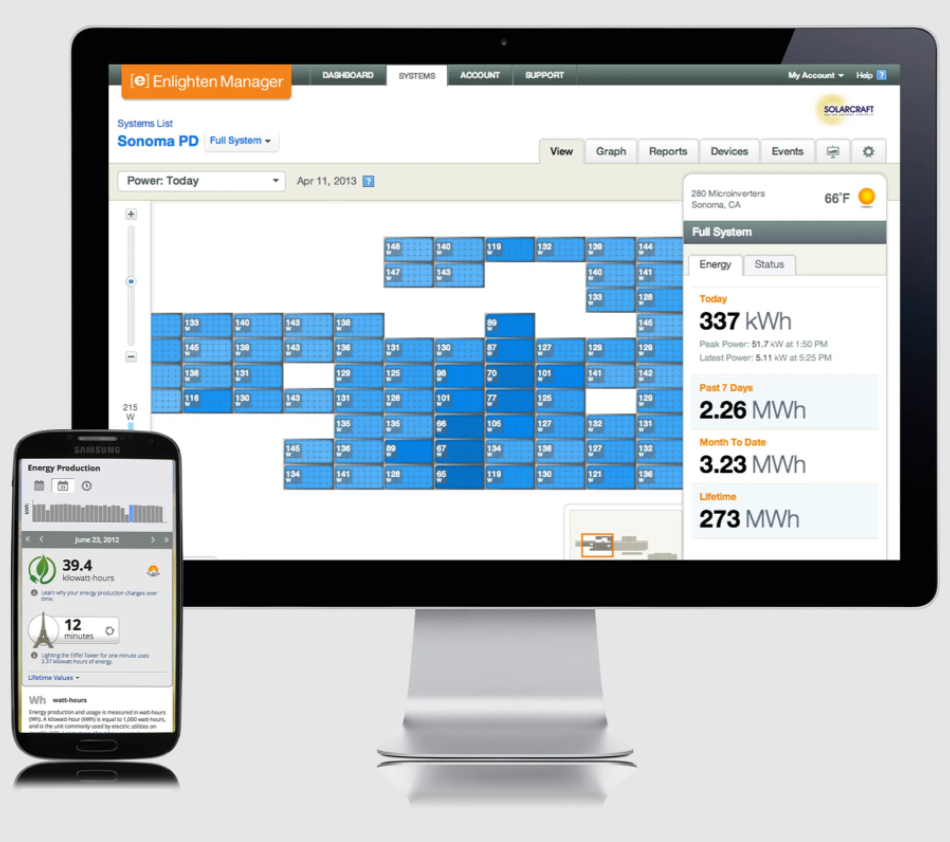
Know what your system is producing. We review the monitoring tools available with your selected equipment, including any additional hardware needed to see household consumption. Confirm setup, connectivity and alert settings with the installation team.
