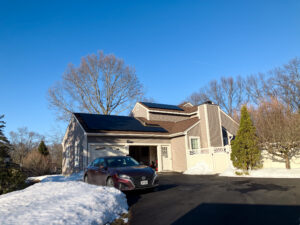
10 Years In: Is Your Roof Doing All It Could?
Winter is when a solar system shows what it’s made of: short days, high bills, the storms that knock the power out. A system installed in 2016 is probably still producing, but the equipment going

During the day, your panels power your home first, and extra energy charges your battery so it’s ready to use later.
If the grid goes down, an Enphase battery system can switch into backup mode and keep the essentials running. When power is restored, you can easily transition back to normal – giving you seamless, reliable protection.
Already have solar? Let’s review your system and the essentials you want backed up. Planning solar for your home? Start with your solar estimate, then talk with our team about battery backup.
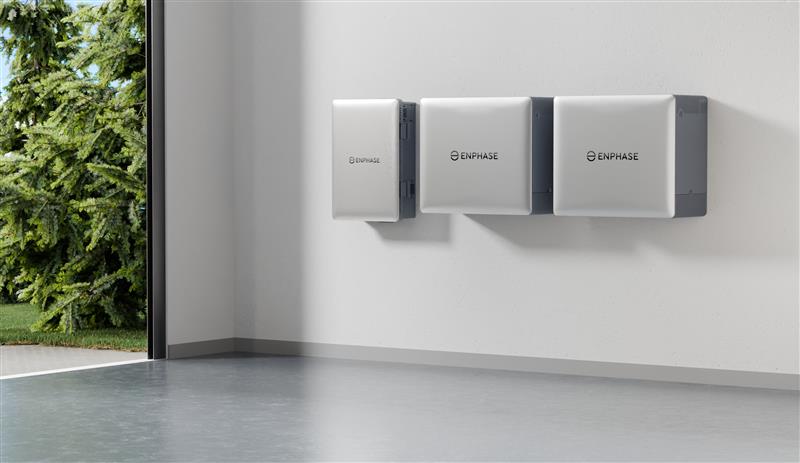
Store excess solar energy during the day so you can keep essentials like lights, Wi-Fi, your refrigerator, and more running when there’s an outage.
Instead of sending extra power back to the grid, your battery lets you use more of the clean energy your home produces, especially in the mornings, evenings, and during peak-rate times.
Safe, reliable, and covered by strong warranties, solar batteries help protect your home and family when the unexpected happens.
Put New York incentives to work for your home. Qualifying new solar + battery projects can combine:
Already have solar? You can explore battery incentives without buying a new solar system. We check your address, existing equipment and backup priorities. Check My Battery Incentives.
*Program maximum, not a per-battery award. The $11,250 storage maximum requires an eligible approved design with 25 usable AC kWh at $450/kWh. Inclusive Storage eligibility, funding, equipment and utility requirements apply. The separate solar credit requires at least $20,000 in eligible net solar costs at a qualifying New York principal residence; it is nonrefundable, with up to five years’ carryforward. Prior credit use matters. Battery-only projects do not automatically receive it. A quote does not reserve funding.
NYSERDA current funding · New York solar tax credit · Program rules
The July 4, 2026 storms left more than 57,000 Central Hudson customers without power; approximately 800 experienced outages beyond 72 hours. Dutchess and Ulster counties were hit hardest. Central Hudson’s July 8 report.
Keep your solar working when the grid goes down. With compatible batteries and backup controls, solar powers supported circuits and recharges storage while sunlight is available. Backup duration depends on capacity, charge, weather and loads. Tell us what you want to keep running—Build My Battery Backup Plan. How solar recharges backup.
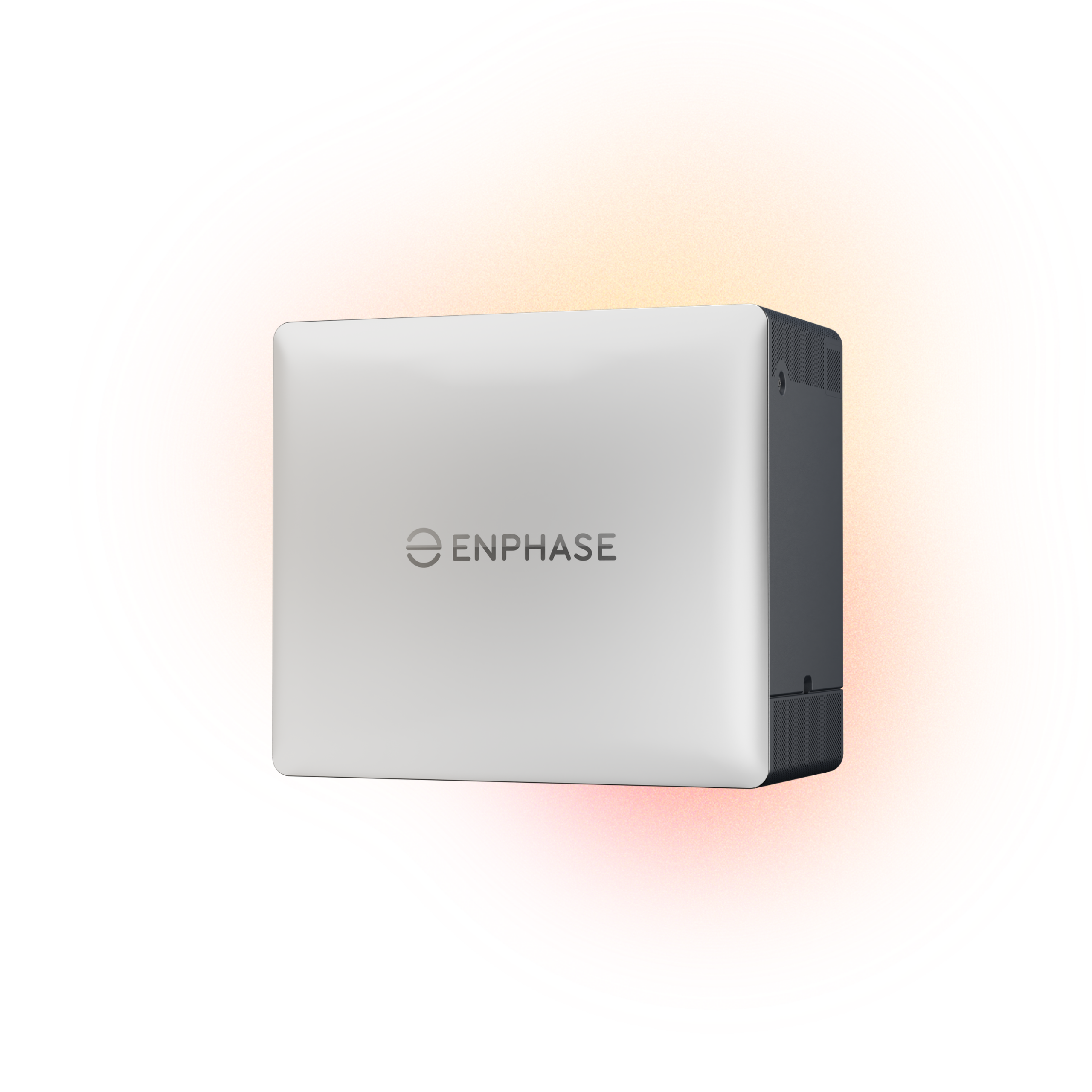
Learn more about Enphase’s home solar batteries here.
Have solar from another brand? IQ Battery 10C can add backup to compatible existing solar, including supported non-Enphase systems, with the required IQ Combiner 6C and IQ Meter Collar. We confirm the inverter, service equipment and utility requirements for your home. Enphase’s third-party solar announcement.
The IQ Battery 10C is a great choice if you want more backup time and the ability to support bigger electrical loads.
With 10 kWh of usable energy, it can keep essentials like lights, Wi-Fi, and your refrigerator running, and – when the system is designed for it – can also help support larger loads such as HVAC equipment or pool pumps during an outage.
During the day, your solar panels power your home first and then charge the IQ Battery 10C with extra energy.
If the grid goes down, the battery can automatically switch into backup mode and keep your backed-up circuits running.
Once utility power is restored, the system switches back to normal on its own, so you get seamless protection without having to flip a switch.
The IQ Battery 10C uses lithium iron phosphate (LFP) chemistry, which is known for its strong safety profile and durability.
The battery is also backed by a long-term limited warranty, so you can feel confident the battery is designed to last for many years of everyday use and occasional outages – giving you added peace of mind.
Each IQ Battery 5P is designed to cover your essential loads – things like lights, Wi-Fi, your refrigerator, and a few key outlets (depending on how your system is set up).
It’s a smart starting point if you want reliable backup power for everyday needs.
The IQ Battery 5P connects cleanly to an Enphase solar system as an all-in-one, AC-coupled battery.
Your solar panels power your home first and charge the battery with any extra energy.
When the grid goes down, the battery can automatically power your chosen backup circuits, then return to normal operation once power comes back – so your home stays more comfortable and prepared.
Like the 10C, the IQ Battery 5P uses lithium iron phosphate (LFP) chemistry for added safety and long life.
It’s supported by a long-term limited warranty, so you know your battery is built for many years of service and is backed by a trusted manufacturer and installer.
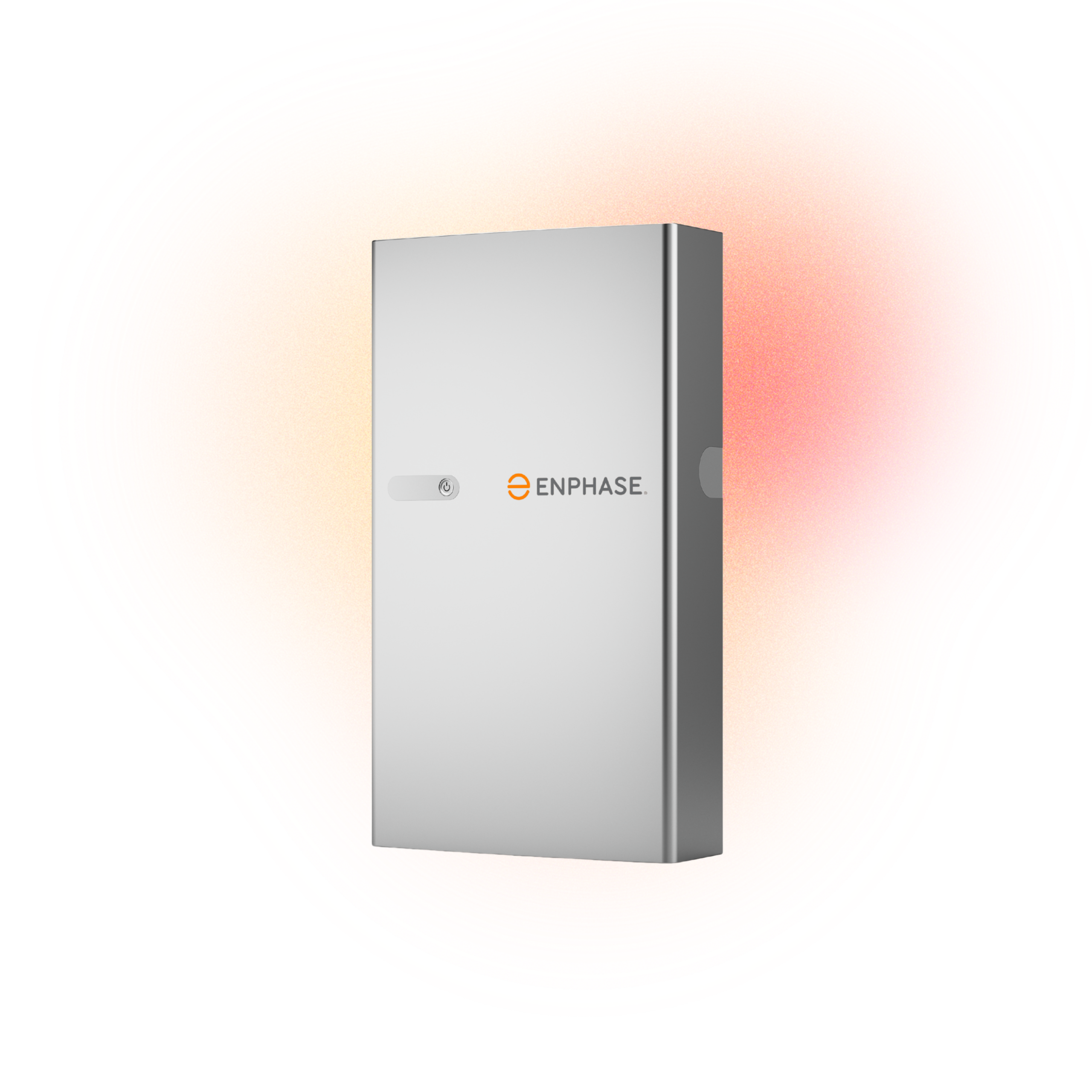
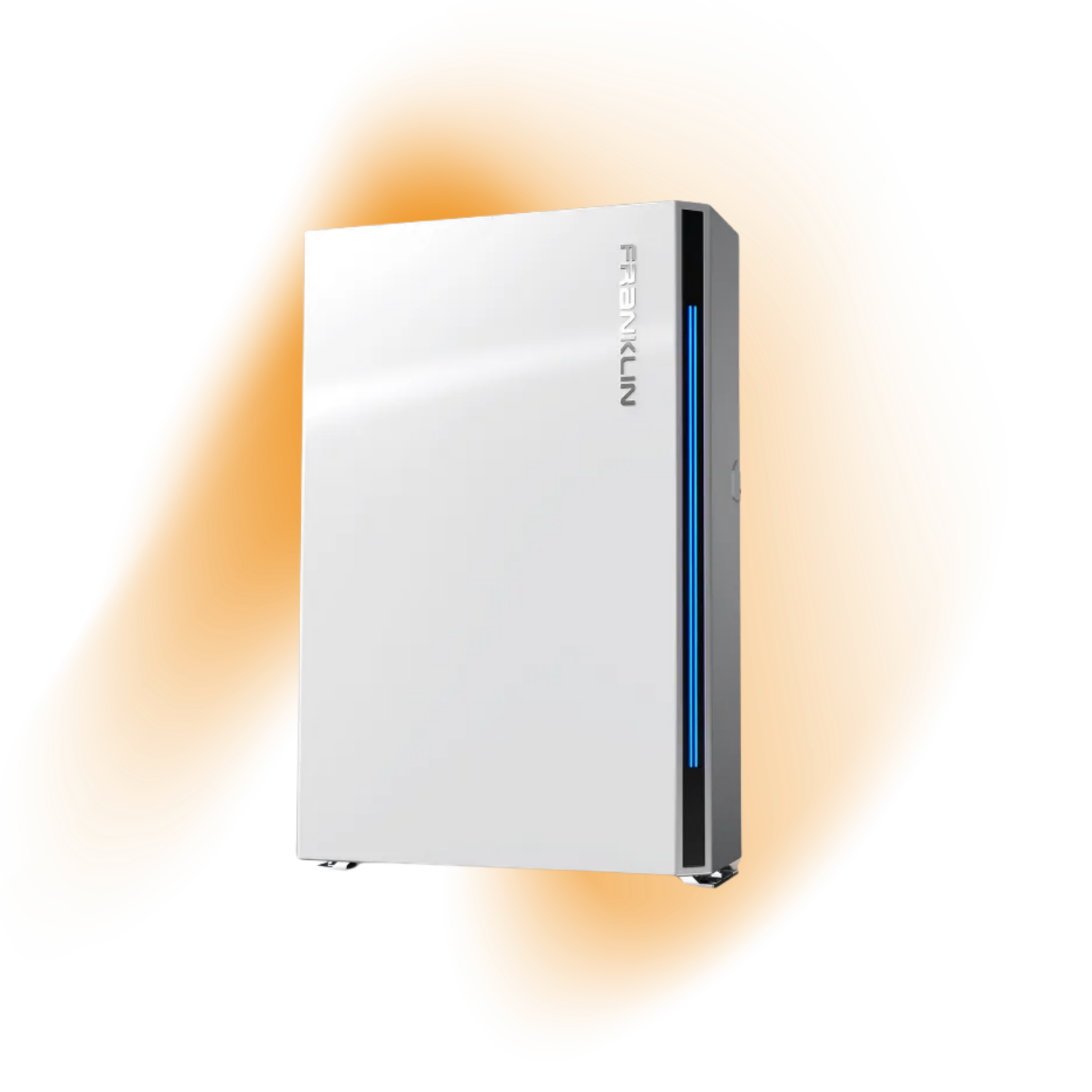
The aPower 2 is a great choice if you want more backup time and the ability to support bigger electrical loads.
With 15 kWh of usable energy, it can keep essentials like lights, Wi-Fi, and your refrigerator running through a long outage. And, when the system is designed for it, it can also help support larger loads such as central A/C, heat pumps, and well pumps.
If your needs grow over time, the system is also designed to scale, with multiple batteries able to be linked together through a single controller.
The aPower 2 is an AC-coupled battery, which means it can connect to your home’s electrical panel rather than directly to your solar panels.
That makes it one of the most flexible options for adding battery backup to an existing system. Our team will review your existing setup, confirm compatibility, and recommend the right configuration for your home.
The aPower 2 uses lithium iron phosphate (LFP) chemistry, which is known for its strong safety profile and durability, and runs very quietly.
It’s backed by a 15-year limited warranty (one of the longest available on a home battery) so you know your battery is built for many years of service and backed by a trusted manufacturer and installer.
Add another layer of backup with aPower S. FranklinWH aPower S with aGate and its optional Generator Module can integrate a compatible generator to power supported loads and recharge the battery during outages. We review your generator, fuel supply and electrical layout to specify the right configuration. FranklinWH system details · aGate and Generator Module.
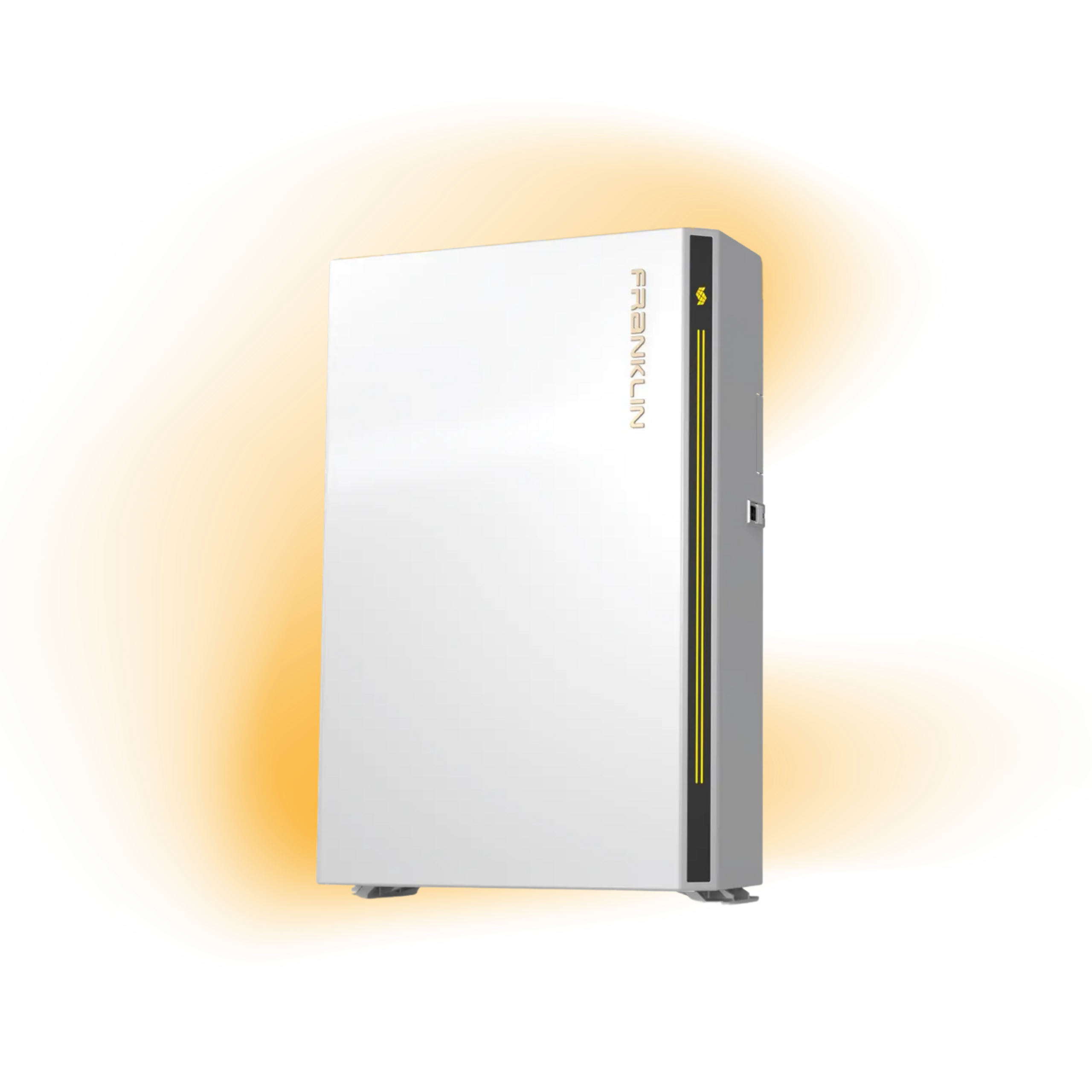
The aPower S is a great choice if you want whole home backup paired with a clean, integrated solar setup.
Like the aPower 2, it stores 15 kWh of usable energy and can keep essentials running during an outage. When the system is designed for it, it can also help support larger loads like central A/C and heat pumps.
The main difference is that the aPower S has a solar inverter built right in, so your panels connect directly to the battery for a more streamlined system with fewer parts on the wall.
The aPower S can take input from multiple sets of solar panels at once, which is especially helpful if your roof has sections facing different directions.
Each input tracks independently, so the system always pulls the maximum power available.
If you want more capacity later, the aPower S can be paired with an aPower 2 battery. The two are designed to work together in a single system.
Like the aPower 2, it uses lithium iron phosphate (LFP) chemistry for safety and long life, and is backed by the same 15-year limited warranty, so you know your battery is built for many years of service and backed by a trusted manufacturer and installer.
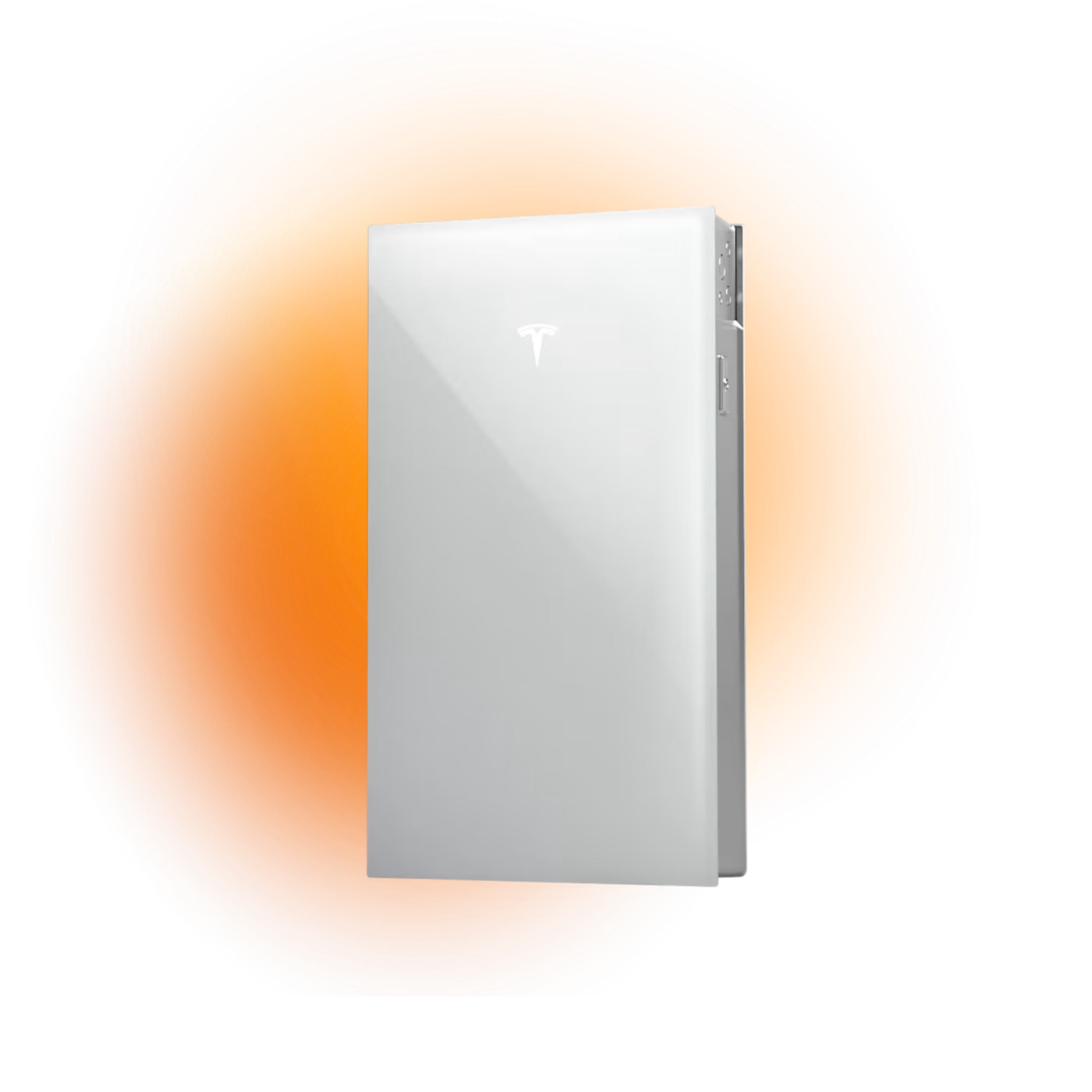
The Powerwall 3 is a great choice if you want strong whole-home backup from a single unit.
It can keep essentials like lights, Wi-Fi, and your refrigerator running, and when designed for it, can also help support larger loads such as central A/C, well pumps, and electric ranges.
It’s also built to handle the high startup current that big motors like A/C compressors and well pumps need at the moment they switch on.
The Powerwall 3 has a solar inverter built in, so your panels can connect directly to the battery for a cleaner, all-in-one system when installing new solar.
If you already have solar from another brand or company, the Powerwall 3 can generally be added to existing systems. Our team will review your setu, confirm compatibility, and recommend the right configuration for your home.
The Powerwall 3 is built to handle real New York conditions: operating from -4 degrees to 122 degrees Fahrenheit, with built in heating mode to keep it ready in the cold and Storm Watch to top it off before severe weather arrives.
It’s backed by a 10 year limited warranty, so you know your battery is built for many years of service and is backed by a trusted manufacturer and installer.
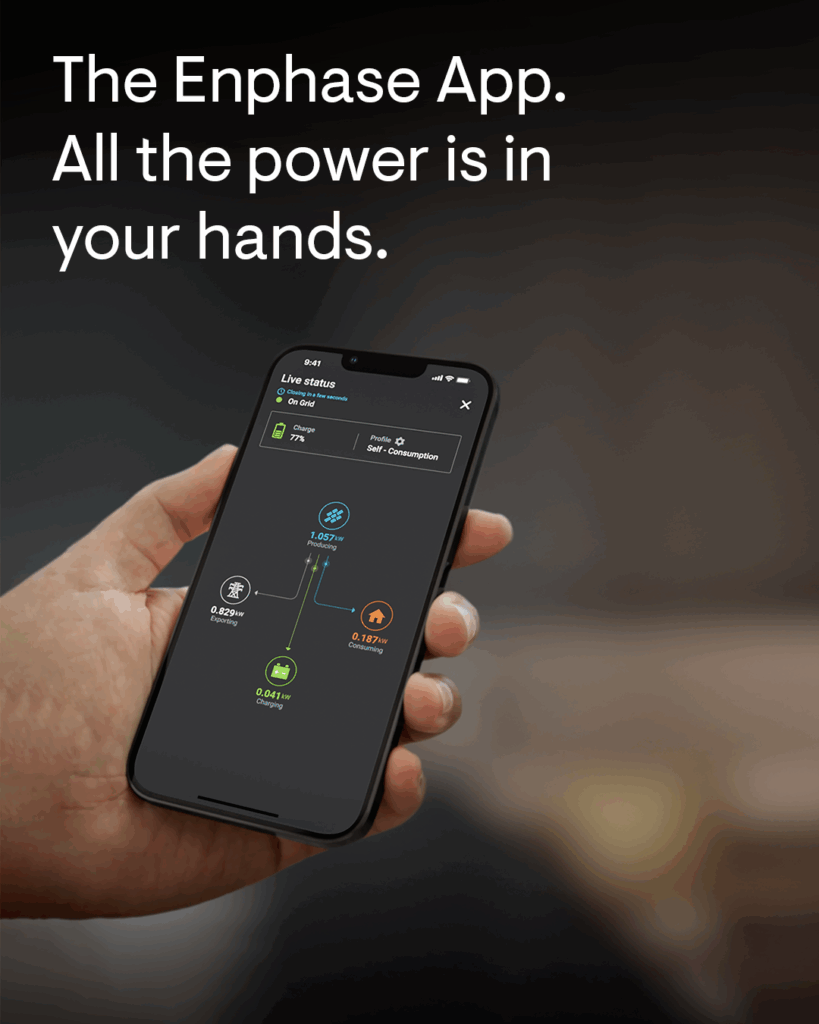
Monitor your system from anywhere! Track how much energy your solar system is producing, how much your home is using, and how full your battery is.
See when your home is running on solar, battery, or the grid. View reports on energy production and usage by day, week, month, or year.
Keep an eye on battery levels before bad weather and understand how your system performed after an outage.
Away from home? Keep an eye on your system from anywhere.
View historical data to see how your solar and battery are helping lower your dependence on the grid.
Whole-home means the backup system is connected to your main electrical panel.
This does NOT mean you can run everything in your home at once as batteries have limitations. It means you do not have to have a separate electrical panel where you must pick what you want in a backup situation. So, you can use everything connected to your main electric panel such as your bathroom lights, furnace, refrigerator, use internet, open your garage door, etc.
Electric heat, electric dryers, air conditioning (central and room) for extended periods of time, dishwasher, very high load appliances, charging electric vehicles, hot tubs, pools.
Simply, if you run high electric load items with your battery, your battery will drain faster.
Think of the battery life on your cell phone. How long will it last depends on what apps you are using, video & music streaming, etc. If you’re doing multiple things at the same time, they will last shorter.
If you have too many high load appliances running at the same time, you can cause a brown out with your battery, and it will shut off.
Batteries can power a lot, however if you exceed that threshold (with say electric heat) the battery cannot handle that load, and everything will shut off. It is like a breaker popping from overloading a circuit in your electrical panel.
Your backup is designed around the home you want to protect. Power, measured in kilowatts, determines which appliances can run together. Stored energy, measured in kilowatt-hours, helps determine how long they can run.
Capacity and output vary by model and configuration. We size the system around your selected loads, their starting requirements, battery count and electrical service. Your proposal should identify the equipment and supported loads, rather than apply one battery-size or panel-size limit to every home.
Solar can recharge a properly configured backup system during an outage. Available sunlight, household use and the system design determine how much energy is available.
Tell us which appliances you want available during an outage. Heating, cooling, well pumps and other large loads need a starting-power and capacity review. We will identify the supported loads and any load-management equipment in your backup design.
High-use appliances consume stored energy faster. Running them within your system’s limits and managing competing loads can help extend backup time. Follow the operating plan for your installed equipment; there is no single wattage threshold that applies to every battery system.
Additional batteries can increase stored energy, available power or both. The result depends on the model and manufacturer-supported configuration; an expansion battery does not always add the same output as another complete battery-and-inverter system.
We will compare the equipment and battery count needed for your household, including large loads and future expansion. Solar recharging can extend backup during an outage when the system is configured for it and sunlight is available. Ask for a plan that explains both the appliances you can run and the conditions that affect runtime.
Smart thermostats are a great way to manage this. Typically, central air-conditioning can turn on when you are not home, same goes with heat pumps. If you can turn them down/off remotely when not home, you can prolong your battery backup.
Plan for an outage. If you know severe storms are in the area and you will not be home during that time period, prepare your home before leaving.
The battery cell and pack are all UL rated and designed to be in the elements.
Temperature does play a factor on how the battery will perform. Even though batteries are often rated to extreme high and low temperatures, they will act differently towards those extremes.
Colder weather can slow down the charging, while hot warmer weather can speed this up.
Maximizing self consumption: This setting allows your battery to discharge at any point in the day when your electricity needs are not being met from the solar array’s production.
Backup only: This setting ensures the battery kicks on only in the event of a utility outage.
Yes, you can pick your specific circuits you’d like to backup and have a separate panel. This is called a critical load panel. It can be most of your panel, minus the high load items.
For example, you can remove your high use loads like microwave, dishwasher, hot tub, EV charger, etc. If you do not want to manage your loads during a backup, this can be a great option.
Winter is when a solar system shows what it’s made of: short days, high bills, the storms that knock the power out. A system installed in 2016 is probably still producing, but the equipment going

If you drive a Tesla, the biggest battery at your house might be the one parked in your driveway. And as of October 2026, it can finally help keep your lights on when the grid
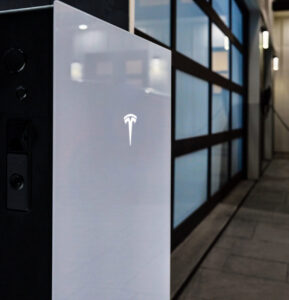
The Powerwall is the battery many homeowners ask us about by name. Some of that is brand recognition. Most of it, once you get into the details, is that it does a few things exceptionally
