Winter is when a solar system shows what it’s made of: short days, high bills, the storms that knock the power out. A system installed in 2016 is probably still producing, but the equipment going on roofs today does noticeably more with the same space. And if the company that installed yours has closed or stopped picking up, a lot of 2010s installers have, winter is a bad time to be finding that out.
The short answer: Today’s panels put out up to a third more power from the same roof area than 2016 panels, inverters carry 25-year warranties instead of 10, and batteries have gone from rare to standard. The time to catch your system up is before the heating season, not in the middle of it.
Is this you? If any of this fits, the next few weeks are the window.
- Your system went in between 2014 and 2018
- Your installer has closed, sold or stopped returning calls
- You’ve added an EV, a heat pump, a hot tub or an addition since the install
- Your warranty has run out, or will in the next year
What's Changed in 10 Years?
Panels
The median panel installed in 2016 was about 17 percent efficient (1). Today’s median is 21 (2) and the best run about 23 percent (3). Did you max out your roof space when you first added solar? Today, that same roof space can actually make more power using the newest technology.
Inverters
Older systems usually run one string inverter with a 10- to 12-year warranty, typically the shortest-lived part of the system (4). Today’s microinverters monitor every individually panel, carry 25-year coverage (4), and connect to a battery.
Batteries
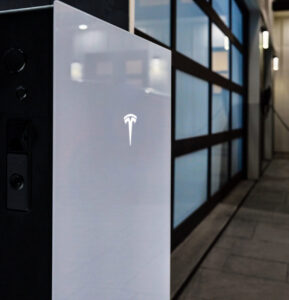
Not practical for most homes a decade ago. Now standard, New York helps pay for them, and the piece that keeps the lights on when the grid doesn’t. We’ve been seeing demand for our Solar+Battery offerings grow exponentially over the past few months. And with New York State battery incentives in place, now is the best time to add a battery system.
Same Roof. Fewer Panels. More Power.
What ten years did to a typical solar panel, and what the extra room is for.
What's new at home since 2016?
Added loads your original system was never sized for. The gold row is where they go.
Panel counts are illustrative: the same roof area at 17.3% vs. 23% efficiency. Sources: Lawrence Berkeley National Laboratory, Tracking the Sun 10; EnergySage, How much energy does a solar panel produce?
Request Upgrade OptionsThree Ways to Upgrade
Repower
New panels and inverter on the roof you have. Today’s advanced equipment brings higher output, panel-level monitoring,and a fresh warranty. The cleanest path for most ten-year-old systems.
Expand
Added an EV, a heat pump, a finished basement? If your system is just a few years old, adding capacity brings the system back in line with how you live now.
Add Backup
A battery turns your solar into backup power during outages, which panels alone can’t do. For longer outages, battery storage can help keep your home running.
Why Before Winter, Not After
- Winter is when the gap shows. Short days mean every point of panel efficiency counts, and a 2016 system works from a lower ceiling.
- Backup matters most now. A battery added in November is working by the first nor’easter. One quoted in February isn’t.
- Rates keep climbing. National Grid’s upstate electric revenues rise 3.4, 5.6 and 4.6 percent over three years from September 2025 (5); Central Hudson’s about 3 percent a year (6). Read more in our article, “Rising Rates and New Solar Tariffs: Why Waiting for December 4th is Too Late”
- The calendar is open now. We still have space on our 2026 install calendar for those ready to go solar before winter, however this will fill fast!
Where Your System Stands
Warranty already expired?
We still service it. But repairs on ten-year-old equipment are out of pocket now, and that money often goes further toward a repower with a fresh warranty, scheduled on your terms.
Warranty ending in the next year?
This is the winter to plan it. Panels lose about half a percent a year (7), so yours are near 95 percent of new, from a lower start than today’s. Deciding while coverage is still in place keeps every option open.
Only a few years in?
No upgrade needed. The question is whether the system still covers your home’s loads, and whether it has a battery. In most cases, one connects to the inverter you already have.
Installer gone?
You’re not stuck. We can service or upgrade systems we didn’t install. We’ll look at what’s on your roof and tell you whether its worth keeping, or whether upgrading to a new solar system will be worth it now. We’ve been here more than ten years, and we’re not going anywhere.
Get More from Your Roof this Winter
If we installed your system, we have it on file. If someone else did, we’ll come out and look. Either way, a site visit now means the work is done before the season turns.
Call our Capital Region team at (518) 478-8365 or our Hudson Valley team at (845) 681-4088, email info@kasselmansolar.com, or request upgrade options at kasselmansolar.com.
Frequently Asked Questions
Yes. We can definitely upgrade you to a new system. For a system that’s ten or more years old, the answer we land on most often is a full replacement and upgrade: new panels, a new inverter and a battery, designed and installed by us, with a new warranty and one company to call.
It depends on age and what’s failing. If the system is still under warranty and just experiencing a minor issue, repair and service is often recommended. When it comes to older or out of warranty systems, it’s often best to simply upgrade and replace your system. We’ll walk you through both numbers.
Usually. Most home batteries are AC-coupled, so they work with the inverter you already have. If your system was installed by someone else, we’ll confirm compatibility during the site visit and, if the inverter is near end of life, we may recommend replacing it. For some older solar system equipment, our team may recommend an upgrade to a new system for better efficiency and better integration with a battery system.
Often, if you have roof space and the inverter has capacity. Your utility will also have rules on how the added production is treated. On older systems it can make more sense to upgrade the whole array than to mix old and new panels.
Sources
- Lawrence Berkeley National Laboratory. Tracking the Sun 10
- Lawrence Berkeley National Laboratory. U.S. Distributed Solar and Storage 2025 Data Update
- EnergySage. How much energy does a solar panel produce?
- EnergySage. Solar inverter warranties: What to know
- New York State Department of Public Service. PSC Dramatically Reduces National Grid’s Rate Request
- New York State Department of Public Service. Central Hudson Electric Rate Case Summary
- National Renewable Energy Laboratory. STAT FAQs Part 2: Lifetime of PV Panels