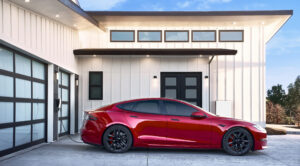
Your Tesla Can Now Power Your Home in an Outage: Here’s What You Need
If you drive a Tesla, the biggest battery at your house might be the one parked in your driveway. And as of October 2026, it can finally help keep your lights on when the grid

Battery Storage Incentive: Up to $11,250 off your home battery system from NYSERDA, with or without solar.
Utility Battery Programs: About $150-$250 each summer from your utility in most areas.
25% State Solar Tax Credit: Up to $5,000 off, received as a tax credit.
Sales & Property Tax Break: No state sales tax on solar, and no property tax on the added value for 15 years in most towns.
No Longer Available: The Federal Tax Credit for homeowners ended December 31, 2025, and the Upstate NY-Sun home rebate is fully allocated.
Keep in mind: If you’re receiving a quote for a system that still counts a 30% federal tax credit, ask the installer to explain it. Currently, only leased/PPA systems qualify, and the leasing company claims it, not you. When you own your system, the savings, the state incentives and the added home value stay with you. Our lease vs. buy guide walks through your options.
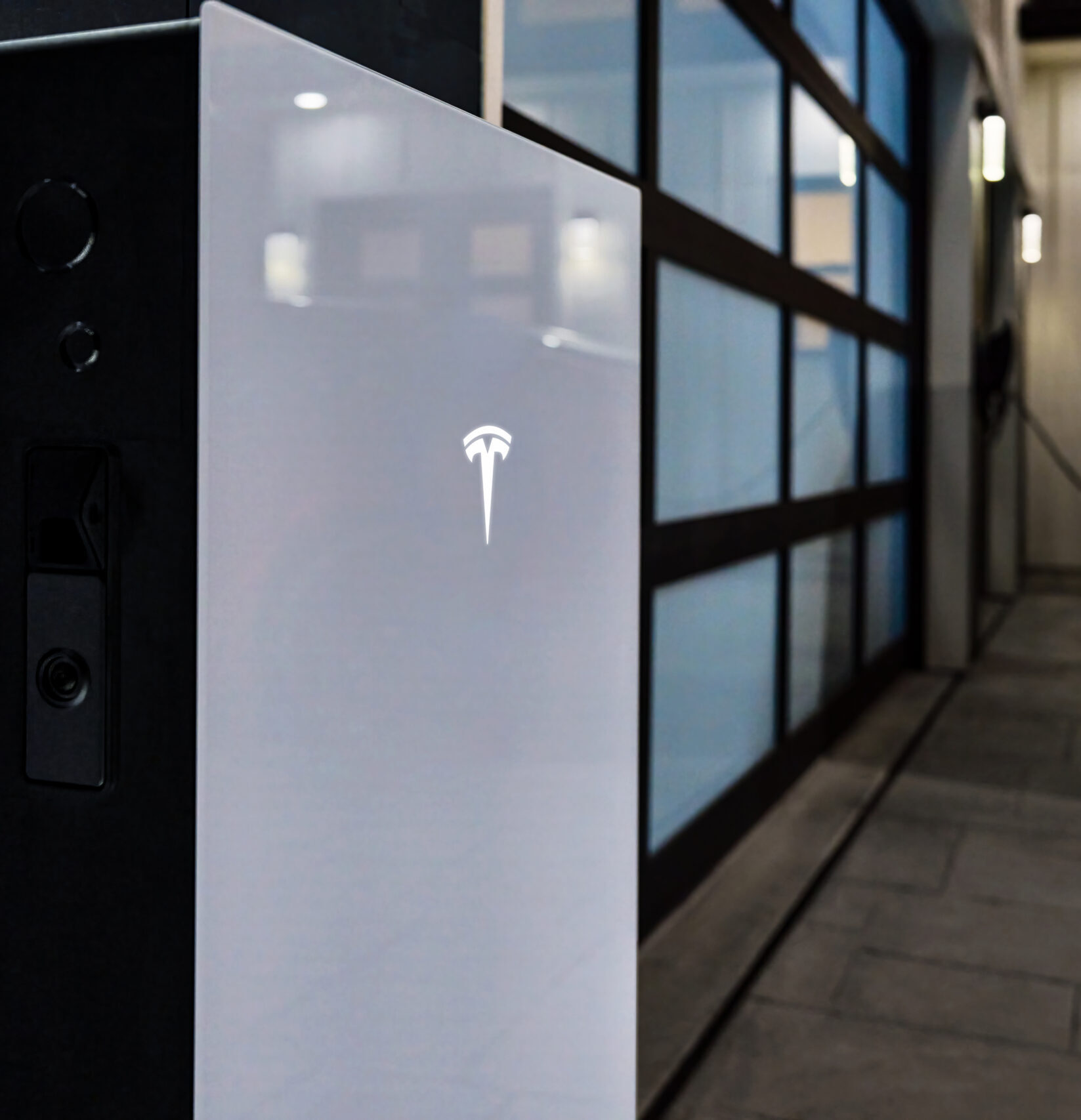
A qualifying NYSERDA battery incentive lowers your project price upfront.
Kasselman handles the program application and shows the benefit in your agreement; you do not claim it on your income-tax return. New solar + battery, an eligible battery retrofit and eligible standalone storage can qualify. Approval, funding and program requirements still apply, so start with your home’s eligibility review. The incentive is paid per kWh, the amount of energy your battery stores, and most home batteries hold 10 to 15 kWh.
| Where You Are | Incentive Rate | Program Maximum (25 kWh) |
|---|---|---|
| National Grid, NYSEG, RG&E, O&R, Central Hudson | $200/kWh | $5,000 |
| Con Edison | $250/kWh | $6,250 |
| Inclusive Storage Incentive | $450/kWh | $11,250 |
The rate steps down as funding fills, and yours locks when your application is approved, so it pays to apply early. Learn more about NYSERDA’s storage incentive.
The inclusive rate replaces the standard rate, it doesn’t stack on top of it. You qualify if any of these applies:
Battery Storage Incentives are available up to 25 kWh only, and must be installed by a NYSERDA participating contractor. In most regions, enrollment in your local utility’s dynamic load management (DLM) program is required to claim savings. Explore our battery options.
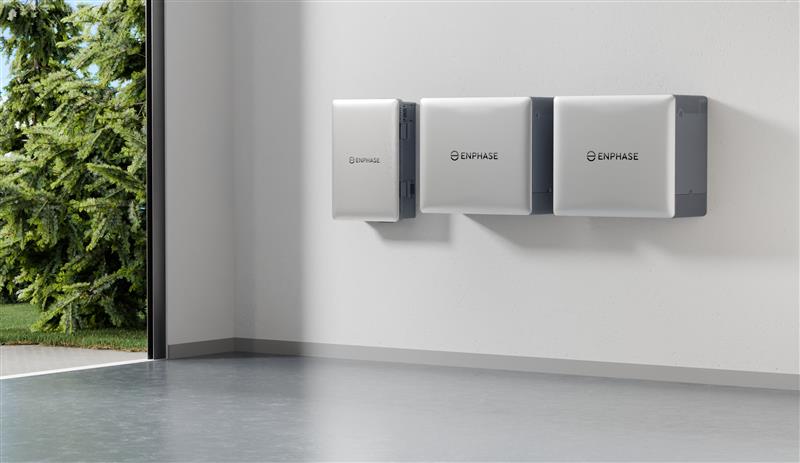
Your battery may earn seasonal payments as well as provide backup at home.
Participating utility programs pay for measured performance during scheduled events; eligibility, event schedules and payments depend on your utility and equipment. We review the required enrollment, backup-reserve controls and opt-out terms with you before you choose. A higher reserve or reduced participation can affect earnings. These seasonal payments are separate from the upfront NYSERDA incentive.
See the full 2026 battery math in our article, “New York Pays You Twice for a Home Battery”
| Where You Are | Program | What to Expect |
|---|---|---|
| National Grid | ConnectedSolutions | $50 per average kW delivered; up to 60 summer events, up to 4 hours each. Earnings vary. |
| NYSEG/RG&E | Energy Storage Solutions | Up to 20 weekday events, 20% reserve kept |
| Orange & Rockland | Smart Savers | Up to 15 events, paid to you by a prepaid Visa |
| Con Edison | Bring Your Own Battery | Paid on what your battery delivers |
| Central Hudson | No program yet | *You can still claim the full NYSERDA battery incentive, with no DLM requirements |
Up to $5,000 toward eligible solar at your New York principal residence. The state credit is 25% of qualifying solar costs after applicable discounts and excluded grant-funded amounts—not the full solar-and-battery package or financing charges. The maximum requires $20,000 in eligible net solar costs. It reduces New York income tax; unused credit can carry forward for up to five years. We itemize your proposal so you can review the eligible amount with your tax advisor and claim it on Form IT-255.
Residential solar equipment and installation are exempt from New York’s 4% state sales tax. Many counties exempt local sales tax too.
Under Real Property Tax Law Section 487, the value solar and batteries add to your home isn’t taxed for 15 years. Towns, counties and school districts can opt out, so this is something to double check!
All previously offered NY-Sun blocks in the Upstate region are fully allocated, with no guarantee more will be added. That’s a big reason the state’s upfront money now goes to batteries – and a big reason you should take advantage of existing incentives while they’re still available!
Owning your system is the best way to keep every dollar of savings. We work with local lenders who know solar, so you can own your system without paying for it all at once. You can pay cash, or spread the cost with a solar loan or HELOC. Learn more about solar financing.
Wonder if leasing or owning solar is best for you? Check out a quick comparison below, or learn more in our lease vs. buy guide.
| Own/Buy (Cash or Loan) | Leasing/PPA | |
|---|---|---|
| Who owns the system? | You | A third-party company |
| Customization | It's your system so you can get as specific as you want when choosing panels, materials, location, etc | Usually more cookie-cutter designed instead of custom to your home and location |
| Upfront Cost | $$$ (Higher or financed) | $ (Little to none upfront) |
| Long-term Savings | $$$ | $ |
| Federal Tax Credit (2026) | None for direct buyers | Claimed by your provider - may lower your payment, but no direct incentive to you as a customer |
| NY State Credits (25% up to $5,000) | 25% of eligible net solar costs, up to $5,000; tax limits apply | Yes, but based on your lease payments |
| End of Term | System is yours right from the start - power is essentially free | You do not own the system unless you buyout from your provider |
| Selling Your Home | Adds value - solar is an asset to your home, adding value similar to other home renovation projects | Can complicate sale - generally requires either a lease transfer to the new owner or buyout of your lease prior to sale |
| Post-Installation Service | Your installer stands behind system | Provider takes care of service |
30% of project cost for businesses, farms and landlords, plus up to 20% more for projects that meet domestic content or energy community rules.
For-profit owners can deduct the full cost of the system in year one.
Towns, schools, nonprofits and religious institutions can receive the federal credit as a direct payment from the IRS.
Battery projects qualify for the federal credit too.
Upstate commercial projects can still get a per-watt incentive while capacity lasts.
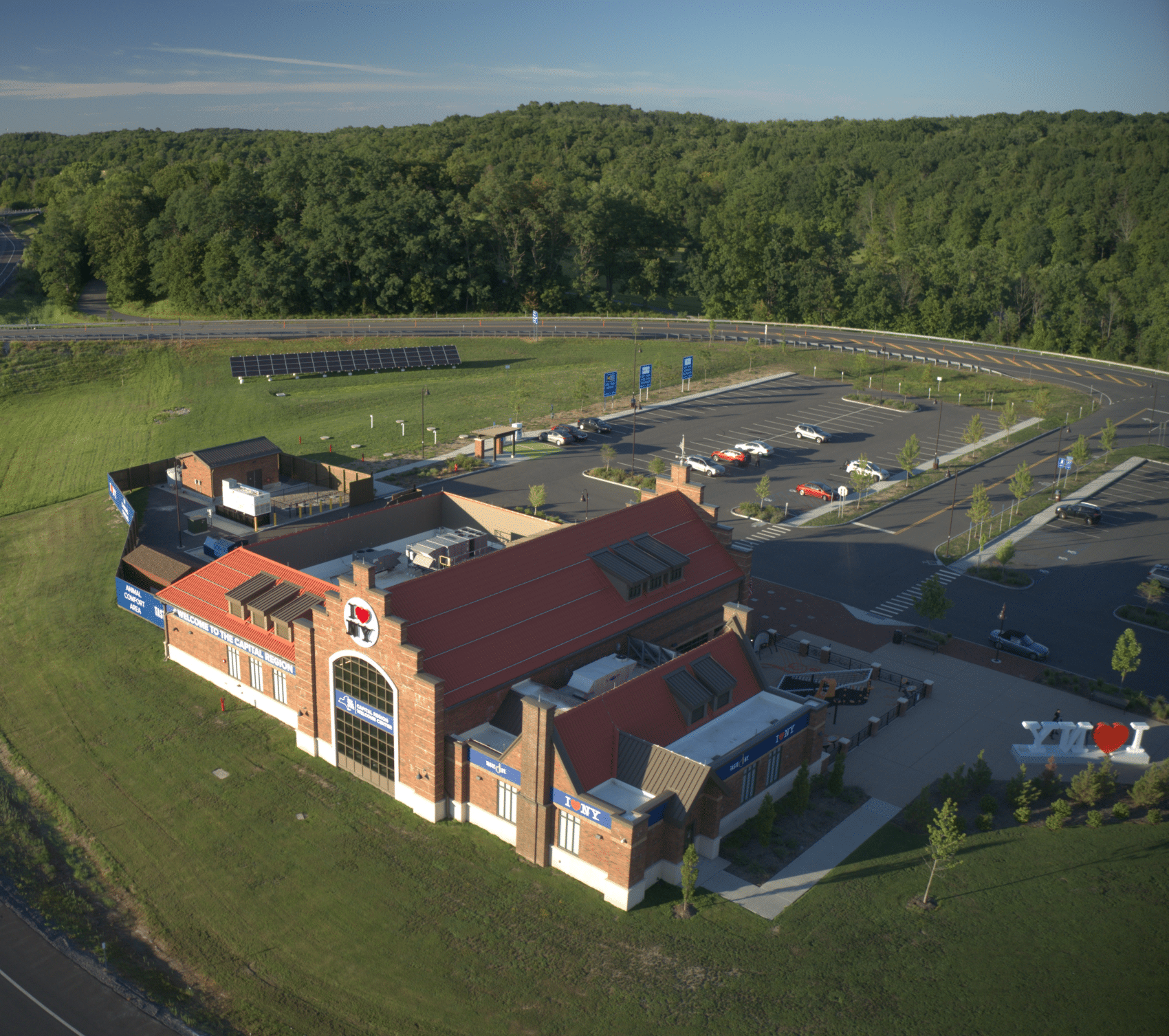
Timing matters. Projects starting now must be placed in service by December 31, 2027, and commercial projects need time for engineering, permitting and interconnection.
Did you know? One array can also send bill credits to other accounts through remote crediting. Read our full commercial tax credit guide.
$200/kWh in most of our service area (up to $5,000), $250/kWh in Con Edison territory (up to $6,250), or $450/kWh (up to $11,250) if you qualify for the Inclusive Storage Incentive. It comes off your price upfront.
Yes. Adding a battery to an existing system qualifies, or adding solar + battery storage at the same time.
The 30% credit for homeowners ended for systems installed after December 31, 2025. Businesses, farms and tax-exempt organizations can still claim it as long as their systems are put in service by December 31, 2027.
Not in most towns. New York exempts the added value for 15 years unless your town, county or school district opted out.
Yes. The 25% state tax credit, the sales and property tax exemptions, and net metering still cut the cost and the payback time. Rising utility rates matter too: every kWh your panels make is one you don’t buy at tomorrow’s price. The answer depends on your roof, your usage and your utility, so we’ll run the numbers for your home in writing before you decide.
Claim the credit for qualifying solar installed and placed in service at your New York principal residence. It is 25% of eligible net solar costs after applicable discounts and excluded grant-funded amounts, up to $5,000; financing charges are excluded. It isn’t refunded as cash, but if it’s more than your state tax bill, the rest carries forward for up to five years. If two people who aren’t married filing jointly own the home, the credit is split by how much each paid.
No. The system has to be on your principal residence. Summer and vacation homes don’t qualify. A camp or second home can still get the sales and property tax exemptions.
Yes. When your panels make more power than you’re using, the extra goes to the grid and your utility credits it on your bill, so you draw it back at night or in winter. Systems connected since 2022 also pay a small monthly Customer Benefit Contribution. Learn how net metering works in New York.
Mostly no. We apply for the NYSERDA battery incentive for you, and it’s taken off your price. You claim the state tax credit on your own income tax return. For the property tax exemption, a short form (RP-487) goes to your town assessor before the local deadline.
Yes. Homes that qualify for the Inclusive Storage Incentive get $450/kWh for a battery, more than double the standard rate. You qualify by address, by income at or below 80% of the area median, or through HEAP, SNAP or SSI.
The property tax exemption stays with the home for the rest of its 15 years, and the NYSERDA incentive came off your price upfront, so there’s nothing to repay.
You can go solar now and plan battery backup around your budget. A grid-connected solar system can produce electricity for your home without a battery. If you want power during an outage, we design compatible batteries and backup controls for the circuits you want to keep running. Adding storage later is often possible, but we review the original equipment, electrical design and utility approvals first.
Compare solar-only and solar + battery proposals side by side: installed scope, estimated production, eligible incentives and backup priorities. Solar-only projects may qualify for New York’s solar tax credit; the battery incentive requires eligible storage.
Put your roof to work. See your options. See My Solar Savings.
If you drive a Tesla, the biggest battery at your house might be the one parked in your driveway. And as of October 2026, it can finally help keep your lights on when the grid
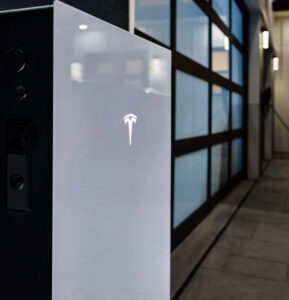
The Powerwall is the battery many homeowners ask us about by name. Some of that is brand recognition. Most of it, once you get into the details, is that it does a few things exceptionally

Your utility’s increases are already scheduled. Solar equipment gets more expensive December 4th. But because panels are ordered after you sign, the real window closes well before the date on the calendar. Two prices are
