This Earth Day, we’ve put together 10 meaningful ways you can cut energy use, lower bills, and celebrate the planet today and every day.
“Our Power, Our Planet” is the theme of this year’s Earth Day, and for a solar company like ours, that theme fits well (1). Between electrical power (like solar!) and personal power (choices you make as a homeowner that adds up to real environmental impact over time) there are many ways that you can make a difference.
We’ve put together this list so every New Yorker can find at least one meaningful action that fits their life. Let’s look at a mix of easy ways to cut your home’s energy usage, reduce your carbon footprint, and support the environment. Some changes will take minutes. Some are bigger upgrades that pay off for decades.
1. Swap to LED Lightbulbs
A five-minute project that lasts a decade.
If you’ve been meaning to do this for a while, consider this your reminder! According to the U.S. Department of Energy, LED lightbulbs use at least 75% less energy than incandescent lightbulbs and last up to 25 times longer (2).
Lighting typically accounts for around 15% of a home’s electricity use, switching even just a handful of bulbs will make a visible difference on your monthly bill (6).
2. Unplug Your "Power Vampires"
Stop using electricity for things you’re not using.
Did you know, your home is using electricity even when your appliances are switched off?
This is called vampire power (or “phantom load”), and it refers to electricity that device draws just by being plugged in. This could be a coffee maker with a digital clock, a phone charger, or similar. All of these quietly add to your bill – and these can stack up quickly with many appliances.
The U.S. Department of Energy estimates that this vampire power accounts for 5-10% of a typical home’s electricity use – costing the average U.S. household $100 each year (3). For New Yorkers who are paying some of the highest electricity rates in the country, this cost can be even higher.
Using power strips can help make ‘unplugging’ out of use appliances significantly easier. For areas like your home office, TV/gaming, and kitchen areas, once plugged into a power strip you can switch them all off at once when the room isn’t in use. There are even smart power strips that can automate this process for you!
3. Wash Laundry in Full Loads with Cold Water
Make the most out of your washer.
About 90% of the energy a washing machine uses goes just to heating water. The good news? Modern detergents are designed to work well in cold water, so for most loads, you can switch to cold water without sacrificing cleaning. Making sure to always run a full load also means you get more cleaning power each time it runs.
If you’re not already, be sure to clean out the dryer’s lint trap after every load – a clogged lint trap is unsafe, and also makes the dryer work harder and use more energy.
4. Adjust Your Thermostat by 2 Degrees
Just a few degrees up or down can bring you big savings throughout the year.
Setting your thermostat just two degrees warmer in summer and two degrees colder in winter can meaningfully reduce your HVAC energy use over the course of a year.
Have a programmable thermostat? Take a few minutes to set up a schedule that matches your routine.
5. Skip the Car Once This Week
You don’t need to give up your car to make a difference, just small swaps.
You don’t have to give up your car to make a difference. Combining errands, walking to nearby destinations, or carpooling just once this week can start making a dent in your carbon footprint.
For most households in the U.S., transportation is the single largest source of direct carbon emissions, so any trip you can skip brings real reduction.
If you drive a hybrid or EV, you’re already running on a cleaner fuel mix, especially if you charge your car with an at home charger.
6. Plant Something Native
Support New York by planting native species.
A great way to help this Earth Day is by planting some native species. New York’s native pollinators (like bees, butterflies, and other insects) need these native plants.
A short list of some plants for Upstate and Hudson Valley areas: milkweed, wild bergamot, New England aster, black-eyed Susan, goldenrod, and Joe-Pye weed. Choosing to plant native flowers over invasive species can help provide real habitat for pollinators.
Another benefit of focusing on native plants is that they thrive better! Species not native to the area may struggle with temperatures, soil, animals, sun and more making it difficult to grow well.
Cornell Cooperative Extension of Albany County publishes excellent region-specific planting guides that can help you get started (4). Don’t feel like you need to overhaul your whole yard, start small.

7. Celebrate Earth Day at a Local Cleanup or Event
Spend a couple hours outside making a visible difference.
EARTHDAY.ORG maintains an interactive map featuring community cleanups, tree plantings, and teach-ins happening all across New York around Earth Day and throughout the year (1). It only takes a few minutes to find one near you, and spending a few hours helping clean up litter can be a rewarding way to celebrate Earth Day.
Looking for a way to immediately feel like you’ve made a difference? This is a great way. Popular options in our area include cleanups along the Hudson River, tree plantings in Albany and Saratoga county parks, and trail restoration days throughout the Capital Region.
Find an event near you here.
8. Electrify One Thing
Choose an electric option for your next big appliance.
This is where you can start making a bigger difference. The next time you need to replace a major appliance or vehicle, consider choosing an electric option.
A few examples to consider:
- Induction stovetops: cook faster than gas, easier to clean
- Heat pump water heaters: cost more upfront, but save significantly over time. Especially in NY, where you may be able to claim state rebates.
- Electric or hybrid vehicles: cheaper per mile to drive than gas vehicles. Particularly smart if you can charge at home with an EV charger. And even more so if you have solar!
9. Go Solar!
For most homeowners, your roof or land is the biggest opportunity available to you.
A typical residential solar installation offsets tens of thousands of pounds of CO2 over its lifetime in addition to significantly reducing, or even eliminating, your monthly bill. New York State also offers savings opportunities with solar tax credits, and depending on your household or location, additional income-qualified rebates and property tax exemptions may be available (5).
The cost of solar for your home or business can vary greatly depending on your energy usage, location, roof orientation, and household circumstances. That’s why we always recommend starting with a free, no-pressure estimate. Let us show you the actual numbers for your home before you make any decisions.
At Kasselman Solar, we’ve been the local, most trusted solar installer for over a decade. With NYSERDA Platinum Quality Solar Installer status in 2026, and the maintenance designation, you can trust you’re making the best decision for your home.

10. Already Have Solar? Add a Battery
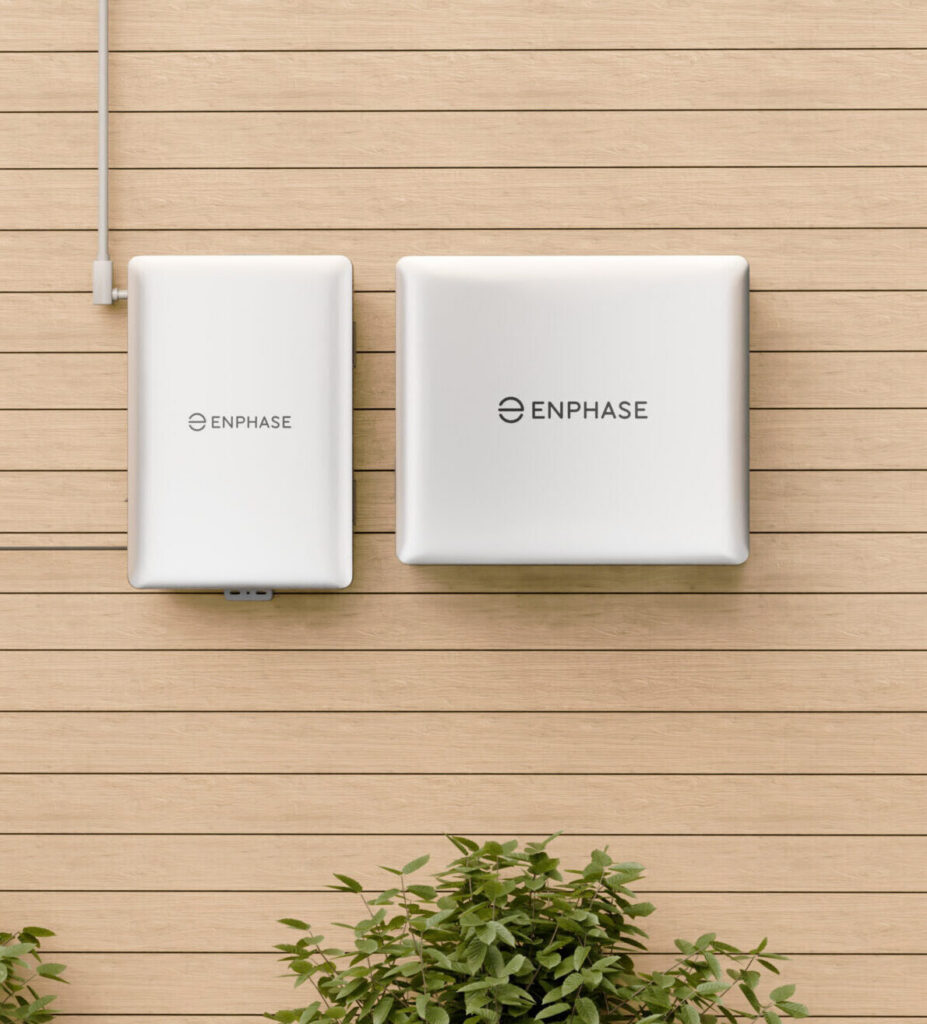
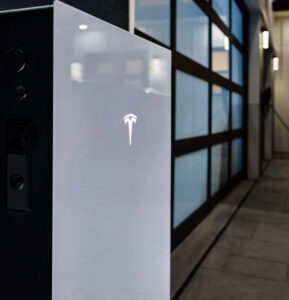
For those reading this who already have solar, the biggest upgrade you can still make is adding battery storage to your solar system.
Whether your solar system was installed by us, or another company, give us a call! We’ll review your existing system setup to determine compatibility and help you pick the best battery for your home.
A home battery does three things that solar panels alone cannot:
- It can power your lights, fridge, Wi-Fi and more during grid outages.
- It lets you use your own solar energy at night, not just while the sun is up.
- It can earn you money through VPP/DLM programs where your battery gets paid to help stabilize the grid during peak demand.
Our Power, Our Planet: Earth Day 2026
Whether you’re thinking of going solar, or just carpooling more often, every step counts. Small changes and bigger upgrades both add to a healthier planet and a more resilient home. The best time to start is now!
Ready to see what going solar could look like for your home? Get a free, no-pressure estimate today!
Sources:
- “Earth Day 2026: Our Power, Our Planet” EARTHDAY.ORG, 14 Jan. 2026, www.earthday.org/earth-day-2026/.
- “LED Lighting” U.S. Department of Energy, Office of Energy Efficiency & Renewable Energy, n.d., www.energy.gov/energysaver/led-lighting.
- “3 Easy Tips to Reduce Your Standby Power Loads” U.S. Department of Energy, Office of Energy Efficiency & Renewable Energy, n.d., www.energy.gov/energysaver/articles/3-easy-tips-reduce-your-standby-power-loads.
- “Native Plants & Pollinators” Cornell Cooperative Extension of Albany County, n.d., albany.cce.cornell.edu/gardening/native-plants-pollinators.
- “Paying for Solar” New York State Energy Research and Development Authority (NYSERDA), NY-Sun Program, n.d., www.nyserda.ny.gov/All-Programs/NY-Sun/On-site-Solar/Homes/Paying-for-Solar.
- “Lighting” MyEnergy.NY.gov, NYSERDA, n.d., myenergy.ny.gov/how-to-upgrade/appliances-electronics/lighting/.