10 Ways to Save Energy at Home This Earth Day
This Earth Day, we’ve put together 10 meaningful ways you can cut energy use, lower bills, and celebrate the planet today and every day. “Our Power, Our Planet” is the theme of this year’s Earth
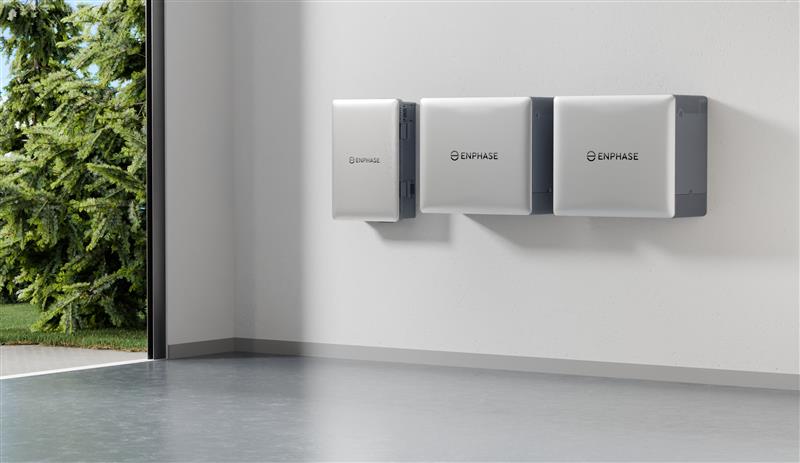
During the day, your panels power your home first, and extra energy charges your battery so it’s ready to use later.
If the grid goes down, an Enphase battery system can switch into backup mode and keep the essentials running. When power is restored, you can easily transition back to normal – giving you seamless, reliable protection.
Store excess solar energy during the day so you can keep essentials like lights, Wi-Fi, your refrigerator, and more running when there’s an outage.
Instead of sending extra power back to the grid, your battery lets you use more of the clean energy your home produces, especially in the mornings, evenings, and during peak-rate times.
Safe, reliable, and covered by strong warranties, solar batteries help protect your home and family when the unexpected happens.
Learn more about Enphase’s home solar batteries here.
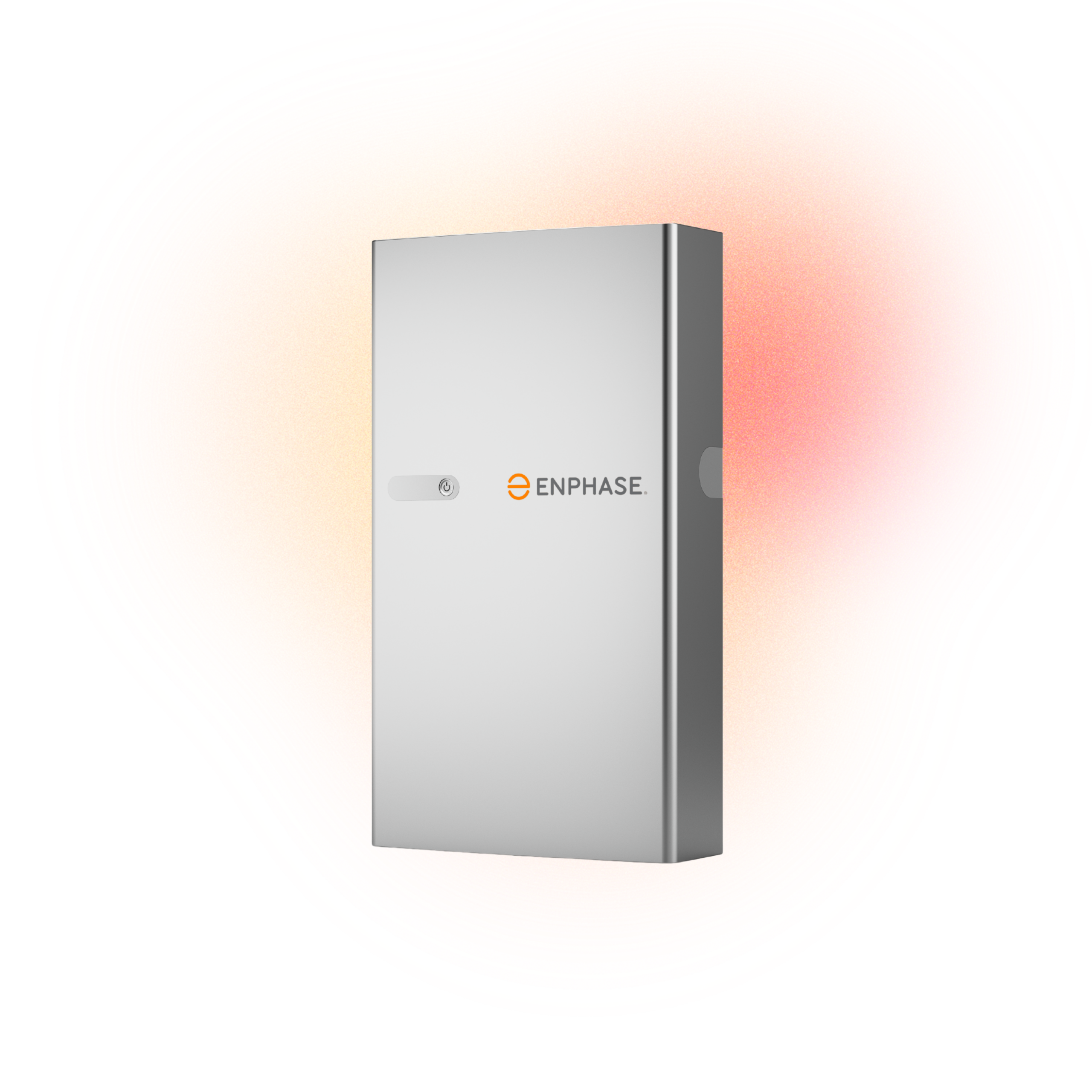
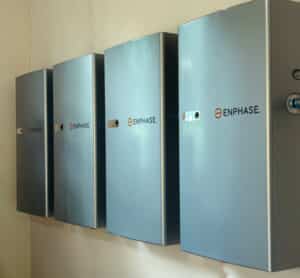
The IQ Battery 10C is a great choice if you want more backup time and the ability to support bigger electrical loads.
With 10 kWh of usable energy, it can keep essentials like lights, Wi-Fi, and your refrigerator running, and – when the system is designed for it – can also help support larger loads such as HVAC equipment or pool pumps during an outage.
During the day, your solar panels power your home first and then charge the IQ Battery 10C with extra energy.
If the grid goes down, the battery can automatically switch into backup mode and keep your backed-up circuits running.
Once utility power is restored, the system switches back to normal on its own, so you get seamless protection without having to flip a switch.
The IQ Battery 10C uses lithium iron phosphate (LFP) chemistry, which is known for its strong safety profile and durability.
The battery is also backed by a long-term limited warranty, so you can feel confident the battery is designed to last for many years of everyday use and occasional outages – giving you added peace of mind.
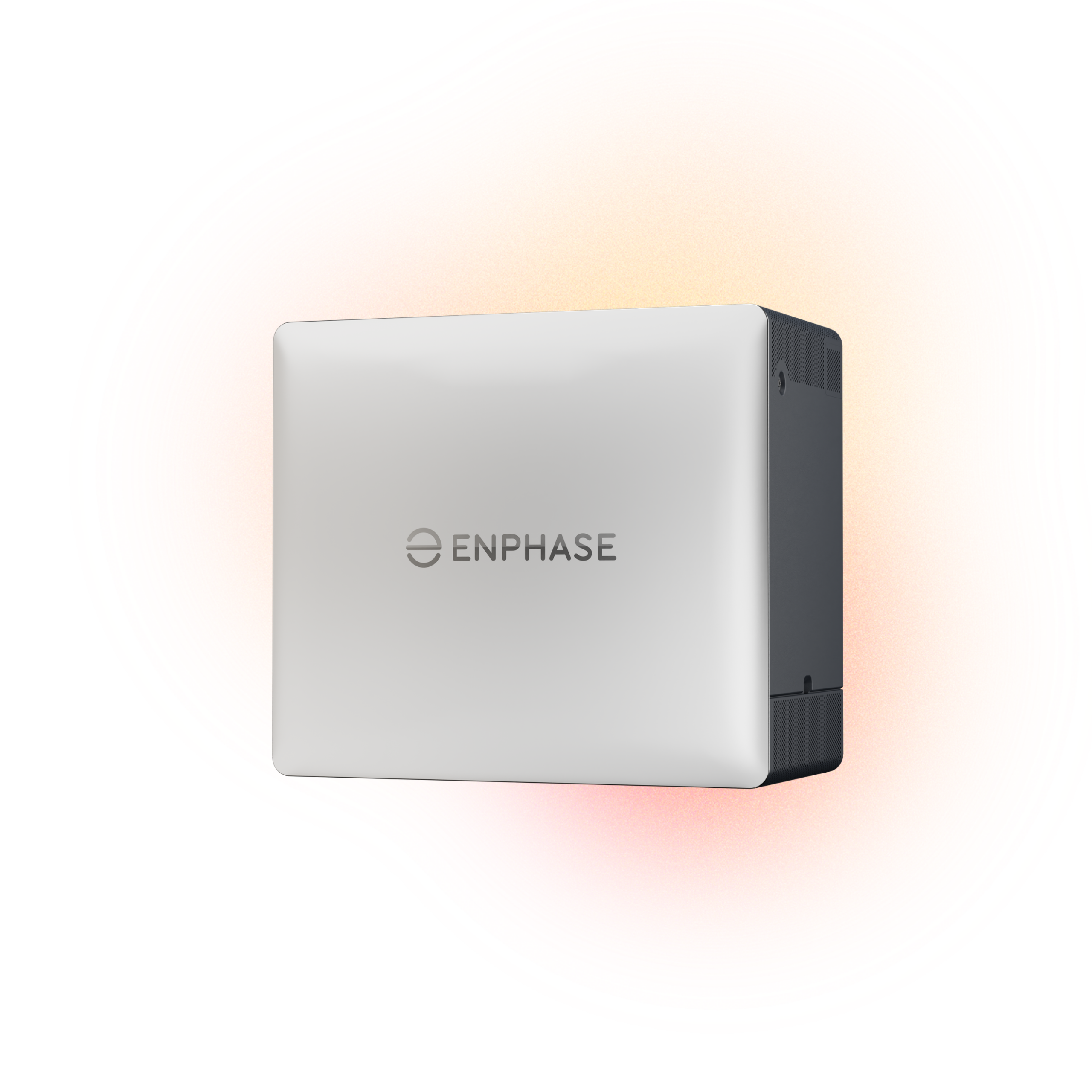
Each IQ Battery 5P is designed to cover your essential loads – things like lights, Wi-Fi, your refrigerator, and a few key outlets (depending on how your system is set up).
It’s a smart starting point if you want reliable backup power for everyday needs.
The IQ Battery 5P connects cleanly to an Enphase solar system as an all-in-one, AC-coupled battery.
Your solar panels power your home first and charge the battery with any extra energy.
When the grid goes down, the battery can automatically power your chosen backup circuits, then return to normal operation once power comes back – so your home stays more comfortable and prepared.
Like the 10C, the IQ Battery 5P uses lithium iron phosphate (LFP) chemistry for added safety and long life.
It’s supported by a long-term limited warranty, so you know your battery is built for many years of service and is backed by a trusted manufacturer and installer.
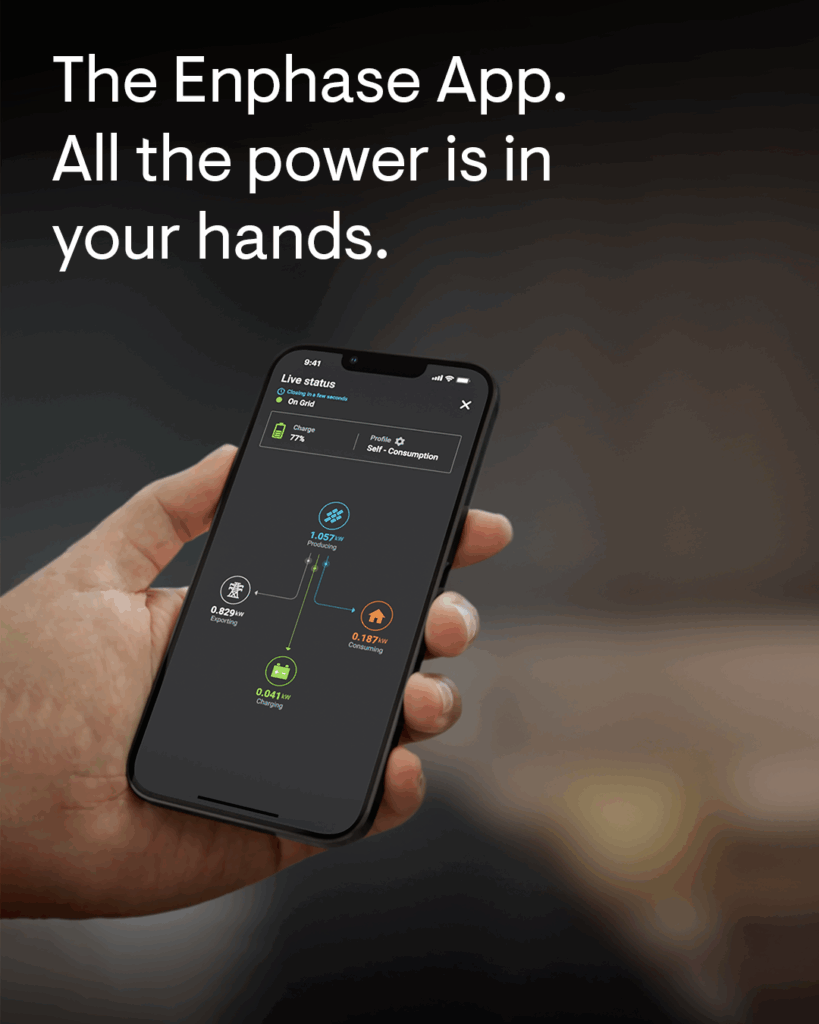
Monitor your system from anywhere! Track how much energy your solar system is producing, how much your home is using, and how full your battery is.
See when your home is running on solar, battery, or the grid. View reports on energy production and usage by day, week, month, or year.
Keep an eye on battery levels before bad weather and understand how your system performed after an outage.
Away from home? Keep an eye on your system from anywhere.
View historical data to see how your solar and battery are helping lower your dependence on the grid.
Whole-home means the backup system is connected to your main electrical panel.
This does NOT mean you can run everything in your home at once as batteries have limitations. It means you do not have to have a separate electrical panel where you must pick what you want in a backup situation. So, you can use everything connected to your main electric panel such as your bathroom lights, furnace, refrigerator, use internet, open your garage door, etc.
Electric heat, electric dryers, air conditioning (central and room) for extended periods of time, dishwasher, very high load appliances, charging electric vehicles, hot tubs, pools.
Simply, if you run high electric load items with your battery, your battery will drain faster.
Think of the battery life on your cell phone. How long will it last depends on what apps you are using, video & music streaming, etc. If you’re doing multiple things at the same time, they will last shorter.
If you have too many high load appliances running at the same time, you can cause a brown out with your battery, and it will shut off.
Batteries can power a lot, however if you exceed that threshold (with say electric heat) the battery cannot handle that load, and everything will shut off. It is like a breaker popping from overloading a circuit in your electrical panel.

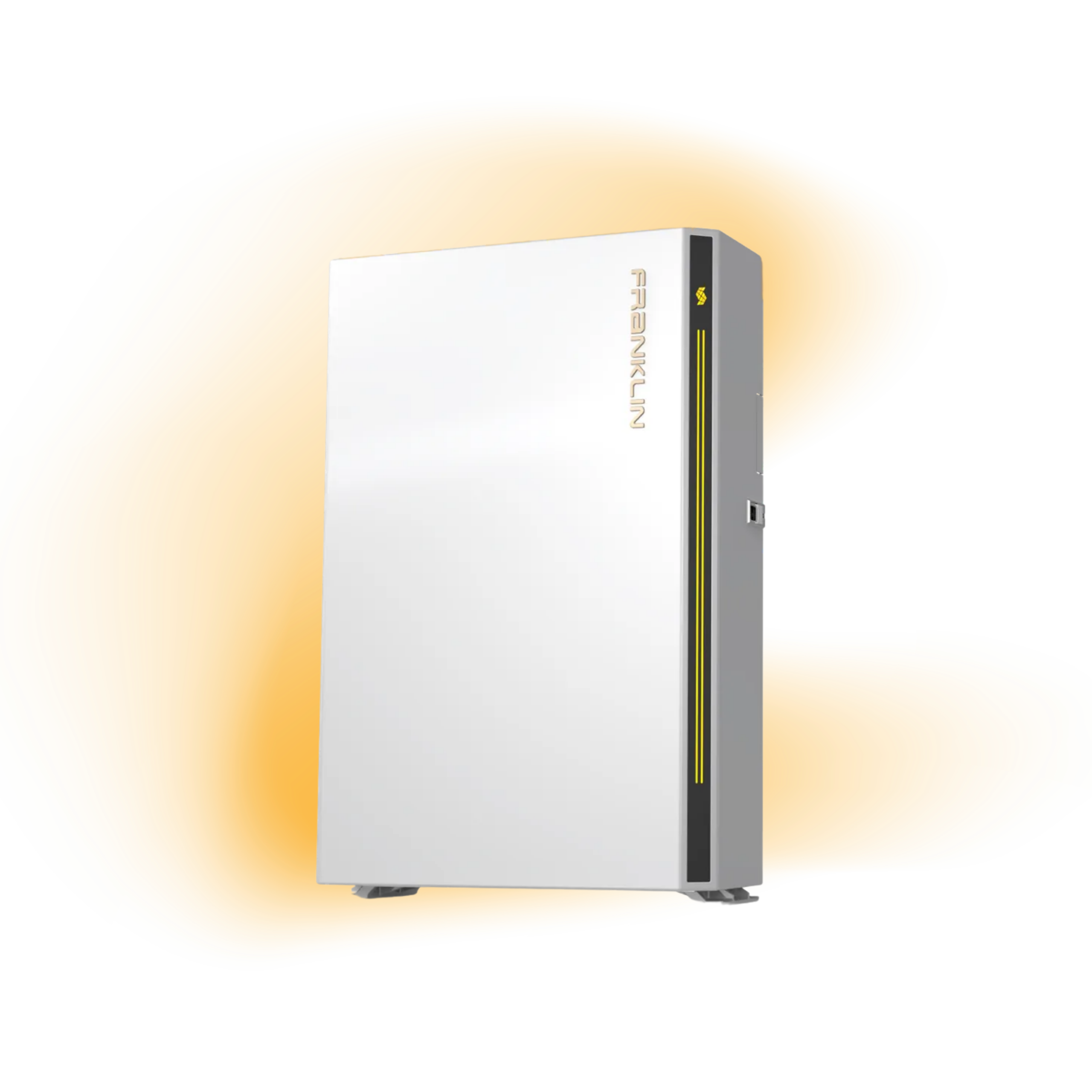
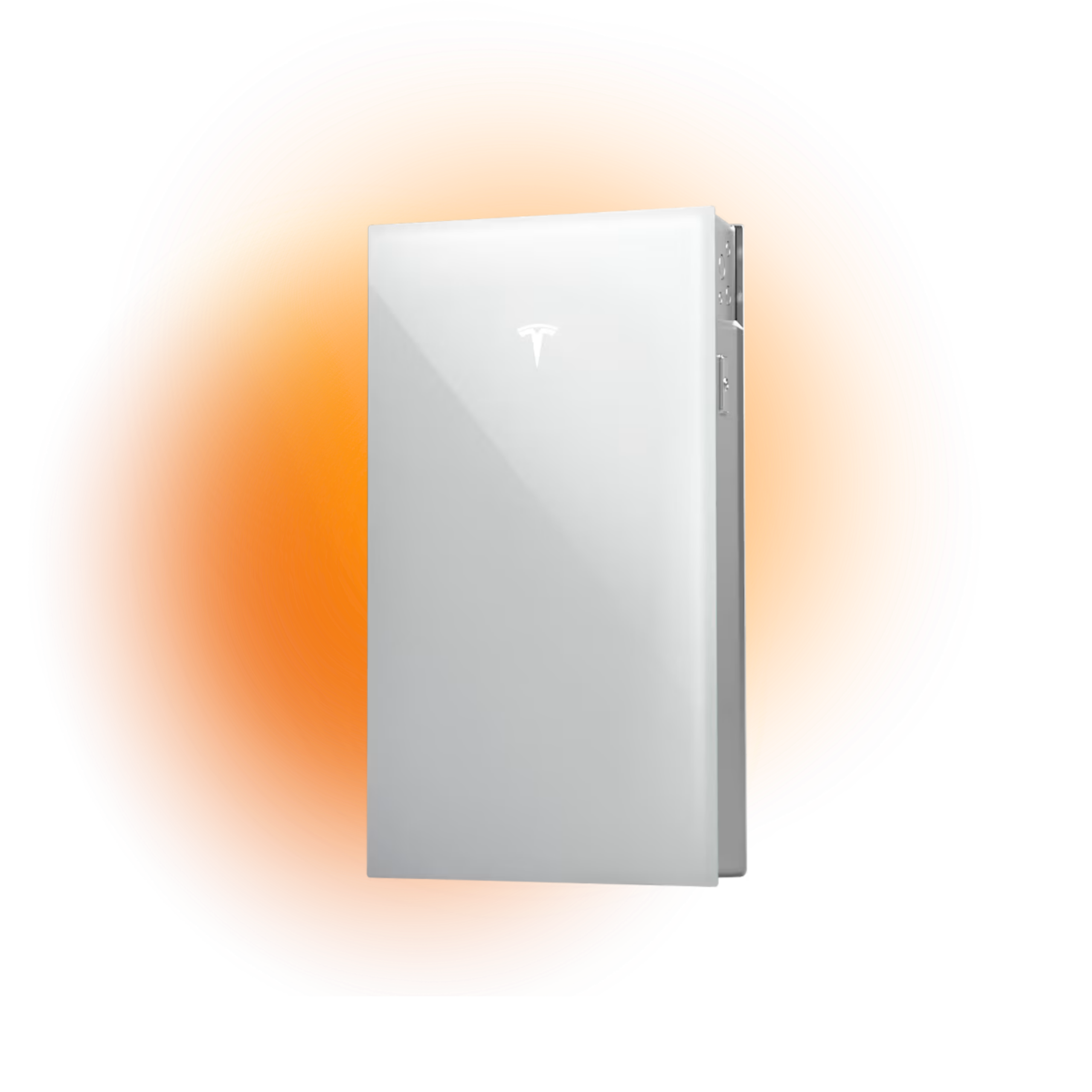
The storage is 5-10 kWh per battery.
Running LED lights and simple “emergency” items will allow the battery to run for very long periods of time, especially when paired with solar. However, if you must run things like electric stoves, microwaves, electric hot water heaters, the length of backup will decrease.
In general, these batteries cannot backup anything larger than one 200-amp panel.
Understand it will not last as long. Also try to keep it to one appliance at a time. This will ensure you are under your 7,000 watt threshold and prevent “overloading” the battery, brown out, or popping a breaker.
Each battery and inverter pairing allows for you up to 7,000 watts. If you added another battery and inverter pairing, that would double your capabilities.
If you have a lot of high load appliances that need to be run, this might be the option for you. If you need a well pump, water pump, electric hot water heater, or more you will likely need more than 1 battery to cover your needs.
Additionally, in your main electrical panel, you can shut off the individual breakers you do not want to run to help preserve energy.
Smart thermostats are a great way to manage this. Typically, central air-conditioning can turn on when you are not home, same goes with heat pumps. If you can turn them down/off remotely when not home, you can prolong your battery backup.
Plan for an outage. If you know severe storms are in the area and you will not be home during that time period, prepare your home before leaving.
The battery cell and pack are all UL rated and designed to be in the elements.
Temperature does play a factor on how the battery will perform. Even though batteries are often rated to extreme high and low temperatures, they will act differently towards those extremes.
Colder weather can slow down the charging, while hot warmer weather can speed this up.
Maximizing self consumption: This setting allows your battery to discharge at any point in the day when your electricity needs are not being met from the solar array’s production.
Backup only: This setting ensures the battery kicks on only in the event of a utility outage.
Yes, you can pick your specific circuits you’d like to backup and have a separate panel. This is called a critical load panel. It can be most of your panel, minus the high load items.
For example, you can remove your high use loads like microwave, dishwasher, hot tub, EV charger, etc. If you do not want to manage your loads during a backup, this can be a great option.

This Earth Day, we’ve put together 10 meaningful ways you can cut energy use, lower bills, and celebrate the planet today and every day. “Our Power, Our Planet” is the theme of this year’s Earth

It has no Social Security number, no bank info, and no credit card numbers.The information it does have helps us save you real money. When we start working with a New York homeowner or business

How AI’s explosive growth is driving up your electric bill, and what New York homeowners can do about it Spring may be right around the corner, however we’re still feeling the effects of this winter’s