Home Generators

Automatic backup power to keep your home comfortable, connected, and protected.

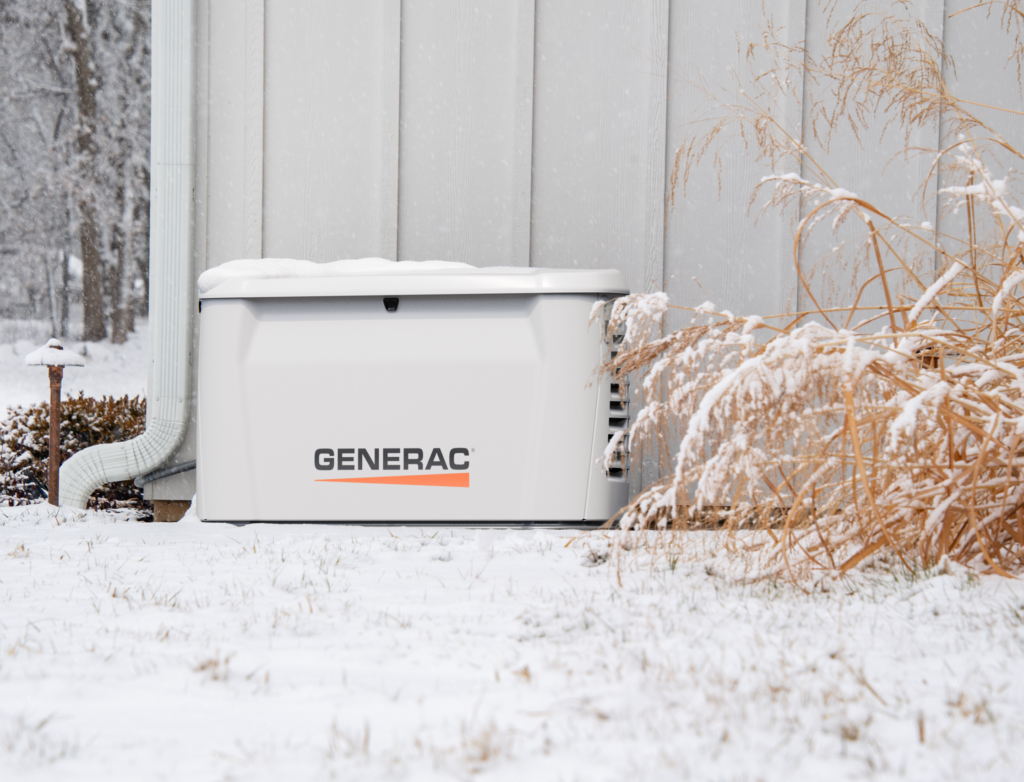
Power outages don’t just turn off the lights, they can interrupt heating/cooling, refrigeration, internet, sump pumps, and your day-to-day routine. A Generac home standby generator is a permanently installed backup power system designed to turn on automatically when the grid goes down, then keep your home powered until utility power returns.

Why Add a Generator?

A home standby generator isn’t about having another piece of equipment – it’s about protecting comfort, safety, and everyday life when the grid is unpredictable.

When an outage hits, you don’t have to scramble for cords or worry about what you can keep running. Backup power helps you stay comfortable, keep essentials working, and maintain your routine when the neighborhood goes dark.

It’s also about peace of mind. Whether you’re home or away, a standby generator gives you a dependable plan B so you’re not waiting and wondering how long it will take for power to come back.

BACKUP POWER

Keep the Lights On

When the grid goes down, a home standby generator can keep essentials like lights, Wi-Fi, refrigeration, and key home systems running through an outage.

ENERGY INDEPENDENCE

Stay Ready When the Grid Isn’t

Instead of waiting and wondering, backup power gives your home a reliable plan B—so you can feel more self-sufficient when power is unpredictable.

PEACE OF MIND

Protection in Uncertain Times

Generac generators come in a variety of size options. We’ll help you choose the best fit based on what you want to cover and your budget—without overspending.

How Standby Generators Work

Automatic power restoration at any time.

1. Utility power is lost: An outage happens for any number of reasons such as weather, equipment issues, accidents, etc.

2. The system senses the outage: An automatic transfer switch (ATS) detects the loss of utility power and transfers your home to generator power.

3. Your generator supplies power: Your standby generator runs and supplies power until utility service returns.

What Can You Power During an Outage?

With solar + battery backup, you can keep the essentials running when the grid goes down—what you can power (and for how long) depends on your battery capacity and how much electricity your home is using at the time.

Common “essentials” many homeowners back up:

  • Refrigerator/freezer
  • Wi-Fi
  • Lights
  • TV and small electronics
  • Sump pump
  • Garage door opener
  • A few outlets for small appliances

Some homes back up bigger loads (with the right design):

  • Well pump
  • Electric oven/range
  • Central A/C or heat pumps
  • Your backup is fully customizable

Because every home is different, we design your system around what you want to keep powered—whether that’s a “critical loads” setup (essentials only) or broader whole-home coverage.

We also offer a range of solar system sizes to match different homes and energy goals, including 10 kW, 14 kW, 18 kW, 22 kW, 24 kW, and 26 kW. During your design, we’ll recommend the best size based on your usage, roof layout, and whether you’re planning for future needs like an EV or electrification.

Generator FAQs:

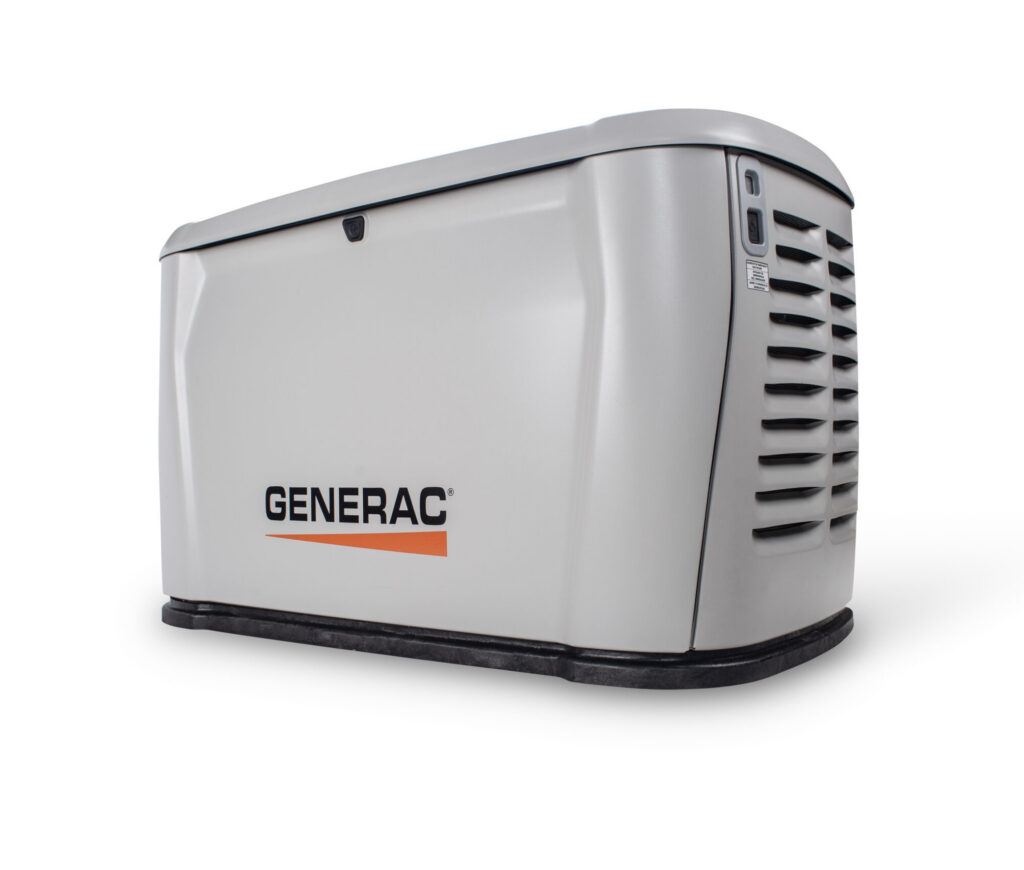
A standby generator is permanently installed outside your home and connects directly into your electrical system. It’s designed to start automatically and power your home during an outage.

A portable generator is temporary, started manually, and typically powers select appliances through extension cords or a manual inlet.

Yes. When the utility goes down, the system detects the outage and starts the generator automatically, then supplies power to your home without you needing to do anything. When utility power returns, it switches back automatically and shuts the generator down.

This hands-off operation is one of the biggest reasons homeowners choose standby systems.

An ATS is the part of the generator that senses when utility power is lost and safely transfers your home from utility power to generator power. It also automatically switches back once the grid power returns.

That depends on how your system is designed. Many homeowners start with critical essentials like refrigeration/freezer, lights, Wi-Fi, outlets, sump pump, and heating equipment. Others choose broader coverage like central AC, well pumps, or even whole-home backup.

The final list is based on your home’s electrical loads and the generator size you choose – so the goal is to back up what matters without oversizing unnecessarily.

Generator sizing is based on:

  • Which circuits/appliances you want to back up (essentials vs. whole-home)
  • The size of the major loads (HVAC, well pump, electric water heater, EV charger, etc.)
  • Whether you want room to expand coverage later.

Our team can help confirm the right size so your generator can handle your priorities reliably without paying for capacity you don’t need.

A standby generator can run as long as it has fuel and is operating normally (which can mean many hours or multiple days in extended outages). Runtime depends on your fuel source, the size of the generator, and how much electricity your home is using during the outage.

Latest Blog Posts

Stay in Touch!